





Yoga for Warriors: Reconnecting Mind and Body After Trauma
Reconnecting with your body on your terms
Yoga at Warriors Heart is tailored for warriors. That means modifications for injuries, adaptations for physical limitations, and respect for where each warrior is in their relationship with their body.
PTSD breaks the connection between mind and body. Years of hypervigilance, ignoring pain signals, pushing through injury, and disconnecting from physical sensations create a disconnect. Yoga helps rebuild that connection through breath, movement, and body awareness.
This is not standard yoga. It’s adapted for warriors dealing with trauma, injuries, and the physical effects of service.
Available at our Texas and Virginia campuses.
Why Yoga for Warriors with PTSD
Trauma gets stored in the body. Tension held in shoulders, jaw, neck, chest. Shallow breathing from years of hypervigilance. Physical reactions to triggers that happen without conscious thought.
Yoga provides a safe way to reconnect with physical sensations, regulate the nervous system, and release tension held in the body.
How yoga helps:
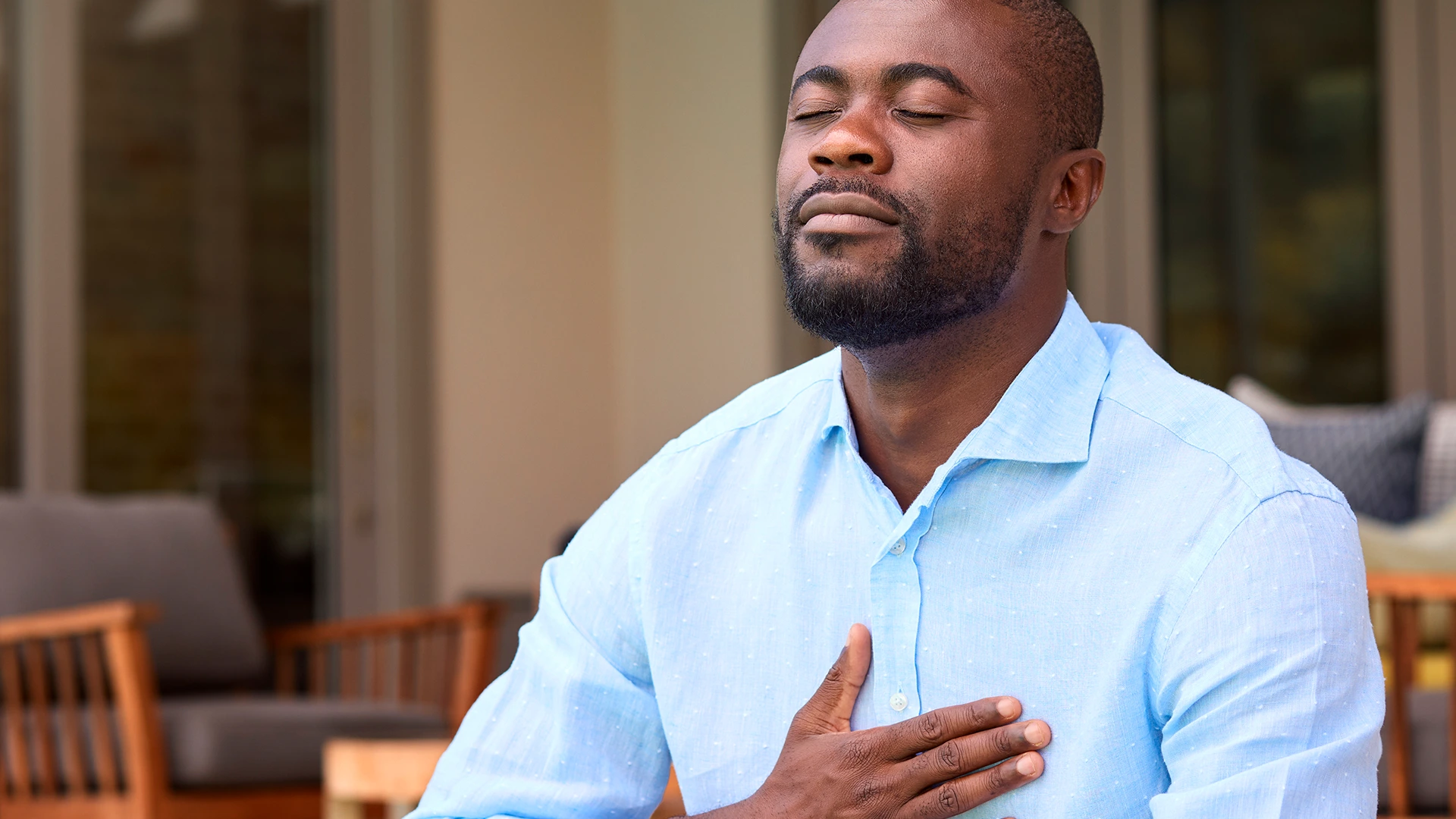
Regulates breathing
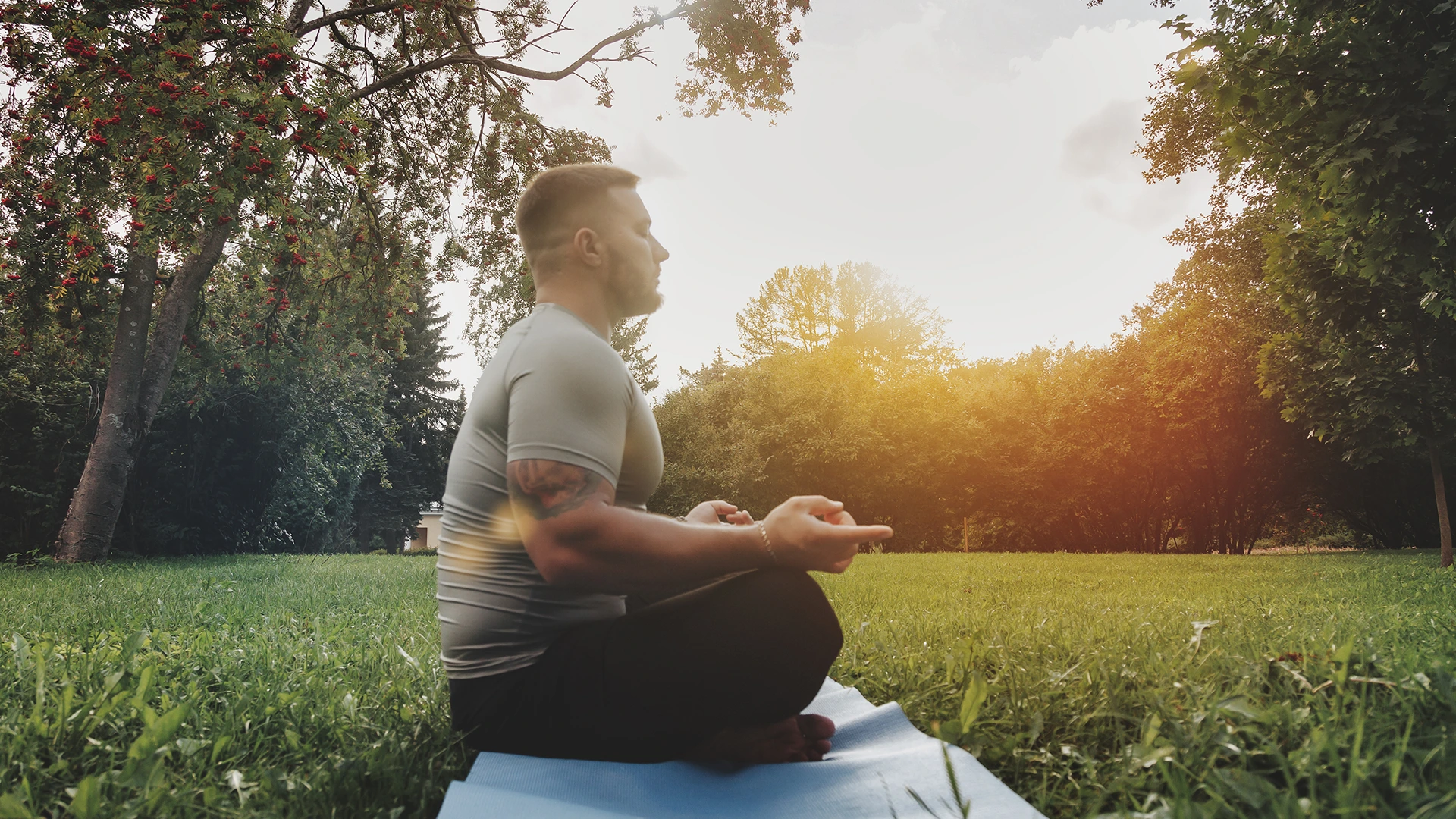
Builds body awareness
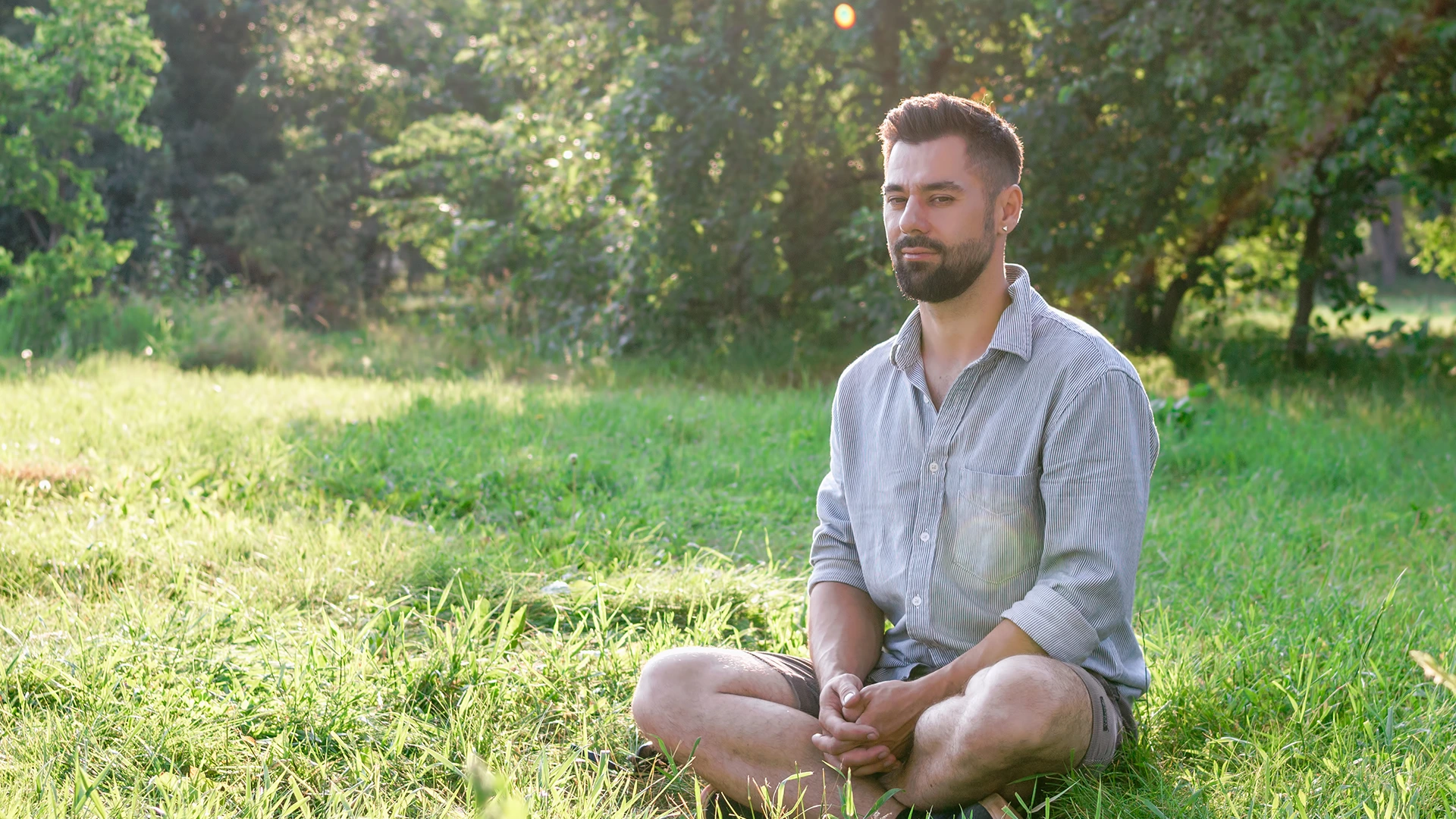
Reduces hypervigilance
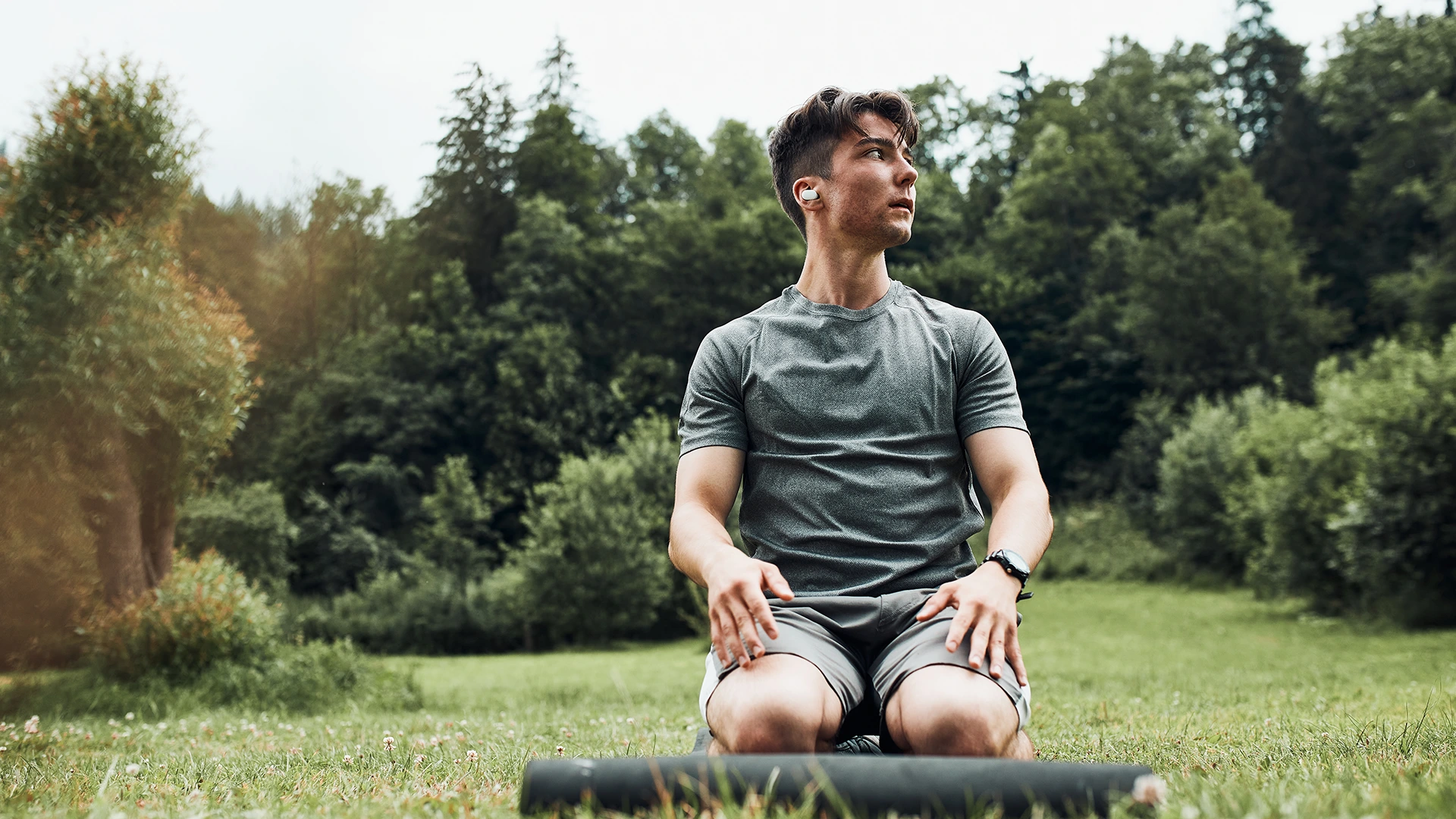
Releases physical tension
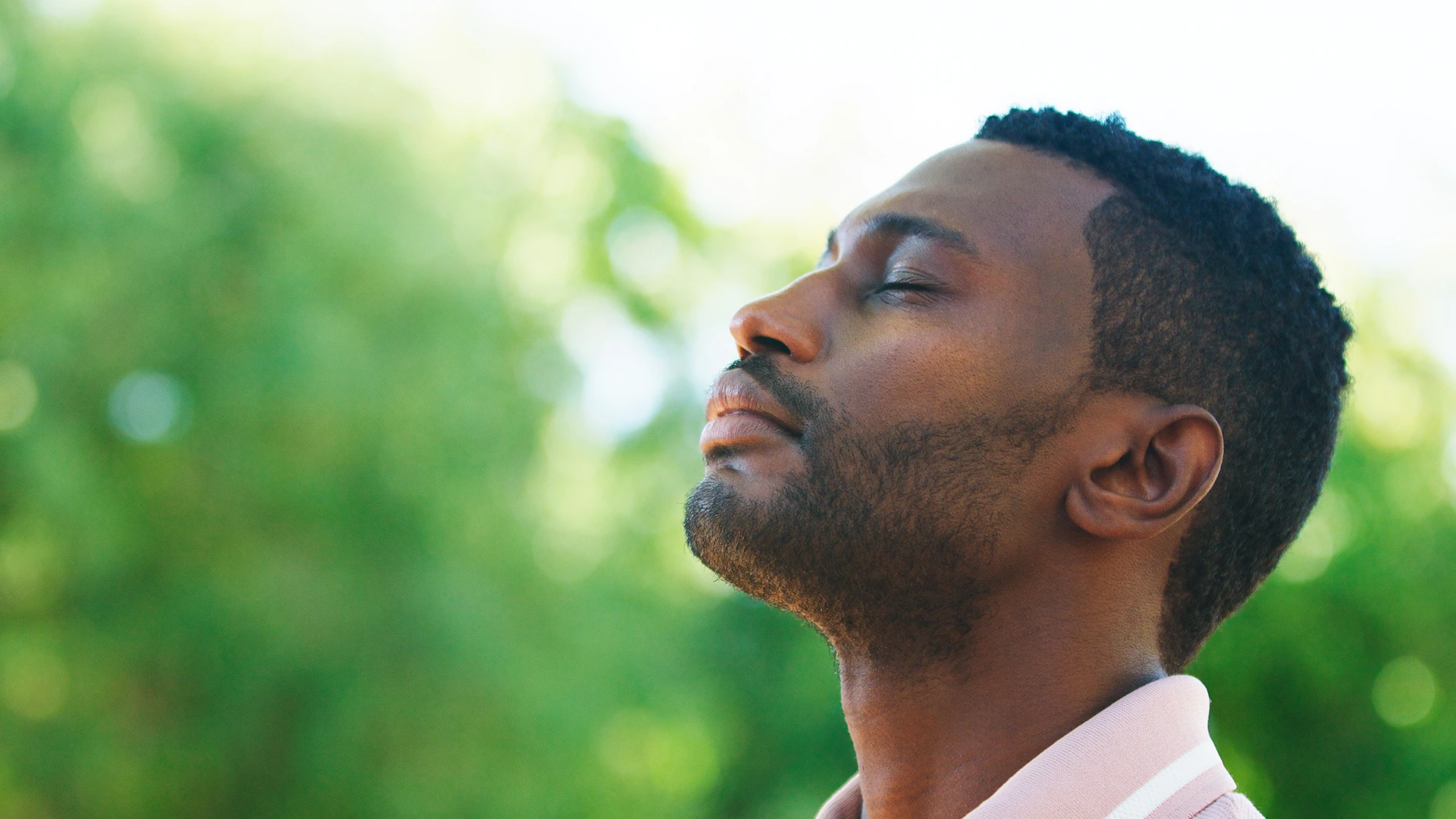
Provides self-regulation tools
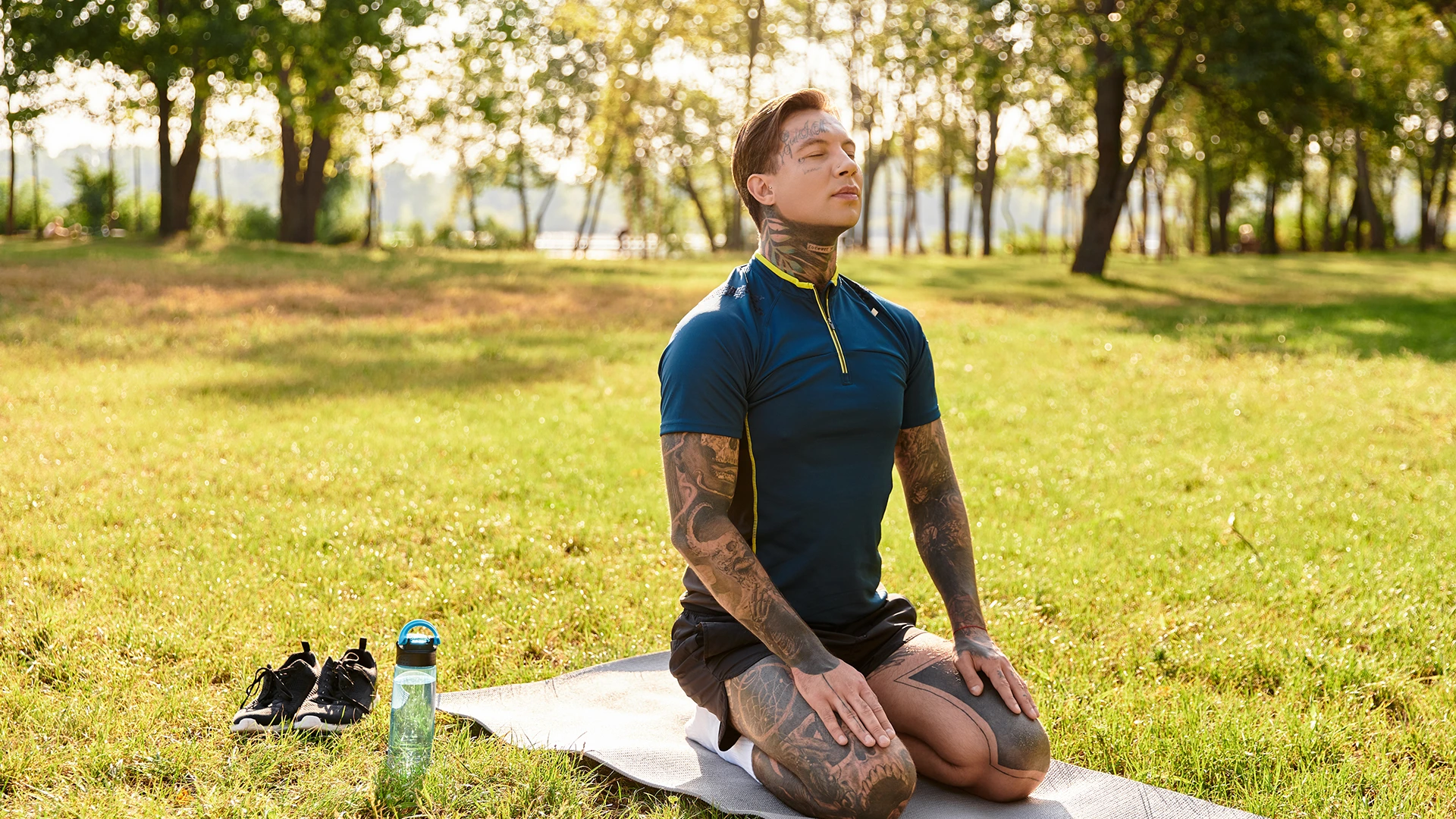
Rebuilds the mind-body connection
Adapted for Warriors
Yoga at Warriors Heart is modified for the realities warriors face.

Injuries and physical limitations

Trauma-informed approach
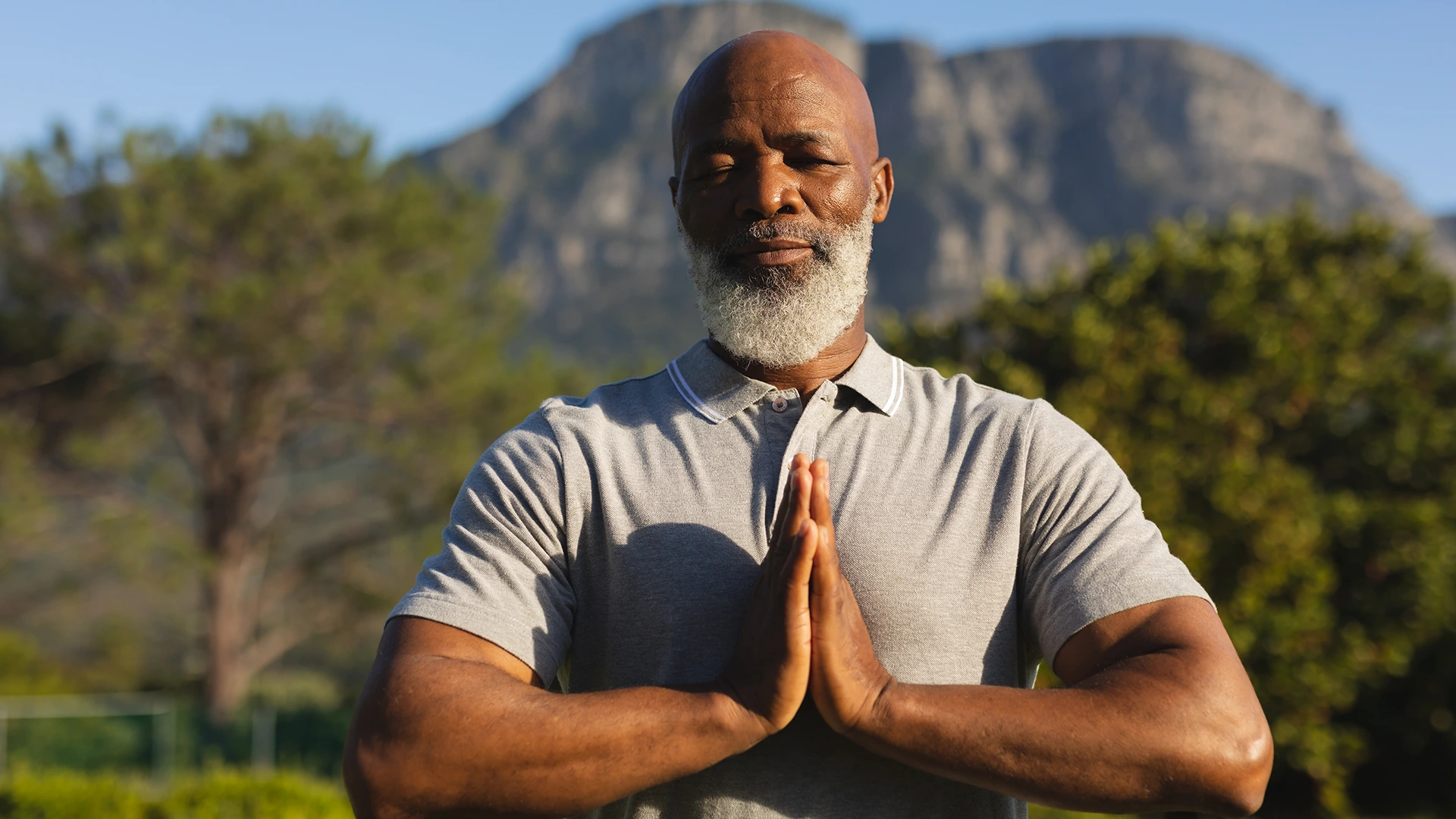
No pressure to perform
What to Expect
Yoga classes focus on:
- Breath work and breathing techniques for calming the nervous system
- Gentle stretching and movement adapted to each warrior’s physical abilities
- Body awareness exercises to identify where tension is held
- Grounding techniques to help warriors stay present
- Self-regulation skills that can be used outside of class
Classes are offered as an elective during residential treatment. No prior yoga experience required.
Ready to Take the Next Step?
You’ve handled pressure, responsibility, and situations most people never face.
Asking for help doesn’t take that away. It protects it.
If drugs have started to take more than they give, you don’t have to figure this out alone. Support is available right now, and the conversation is confidential.

