





Resources for Families of Warriors
Supporting the Warrior You Love Through Treatment and Recovery
Watching someone you care about struggle with PTSD, trauma, or addiction is difficult. You’ve likely seen changes in mood, behavior, or habits that don’t match who they used to be. Warriors Heart provides treatment for active-duty military, veterans, law enforcement, firefighters, EMTs, corrections officers, and other first responders.
This page is for families who want to understand what happens during treatment, how to support their warrior, and where to find help for themselves.
What to Expect During Treatment
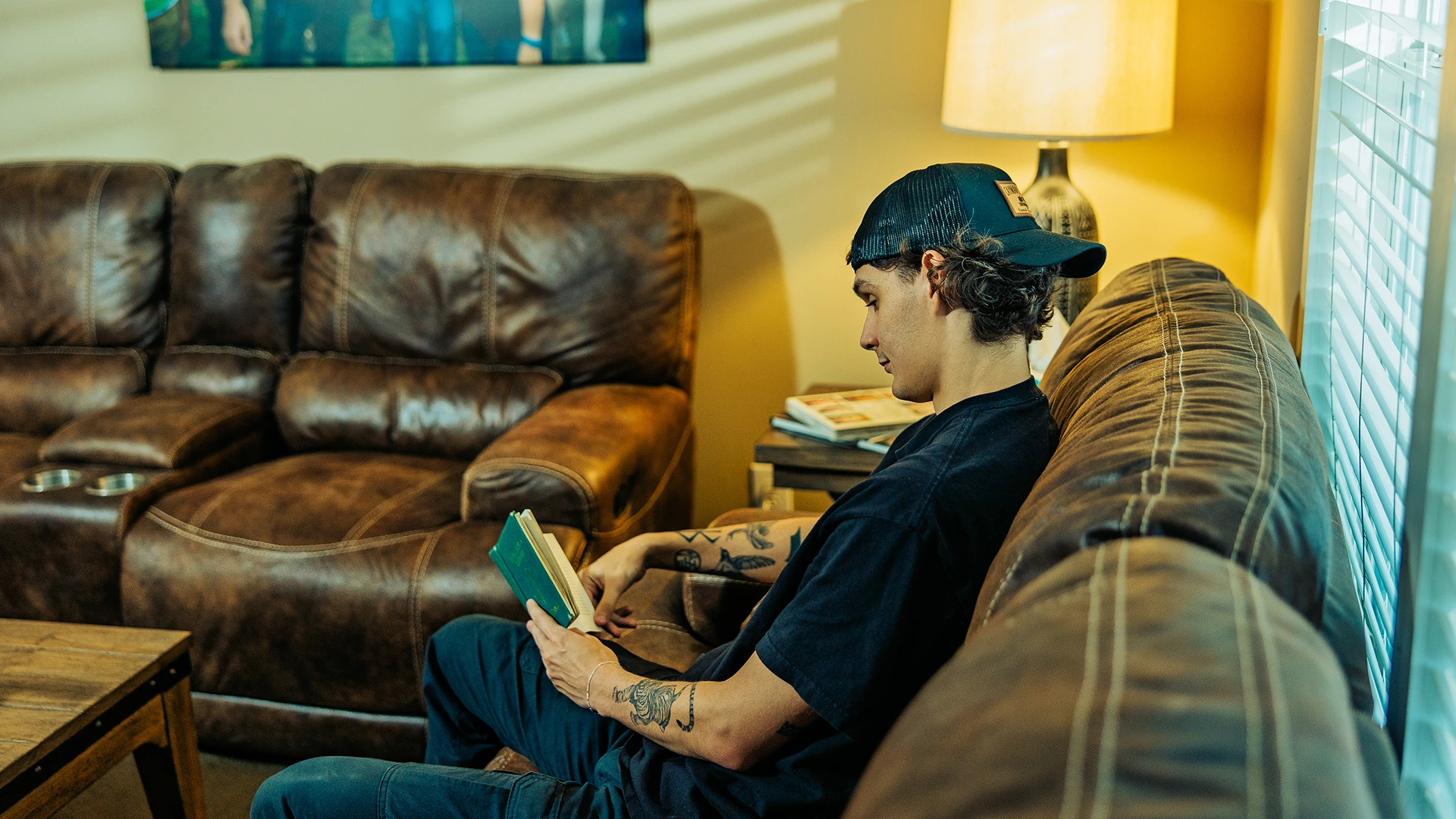
Stabilize and Reset
(Days 1-14)
With medical support and structured routine, warriors begin to stabilize physically and mentally, preparing for deeper work.
Heal and Rebuild
(Days 15-35)
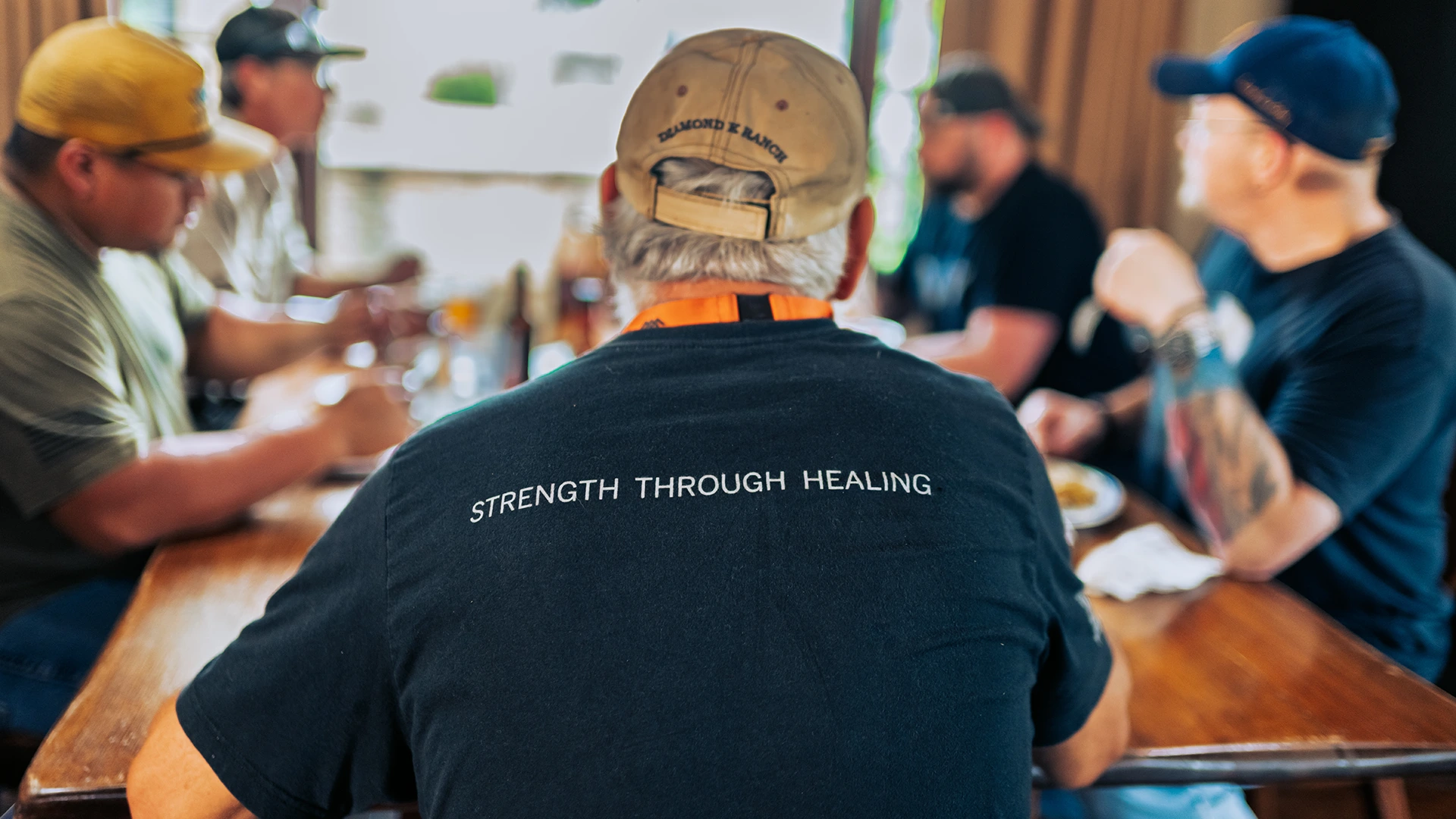
The core therapeutic phase. Warriors engage in trauma-focused therapy, addiction recovery, and experiential electives.
Every warrior participates in Lifeline during this phase—a transformational process that helps them confront their story, release long-held weight, and rebuild identity, confidence, and purpose.
Integrate and Prepare
(Days 36+)
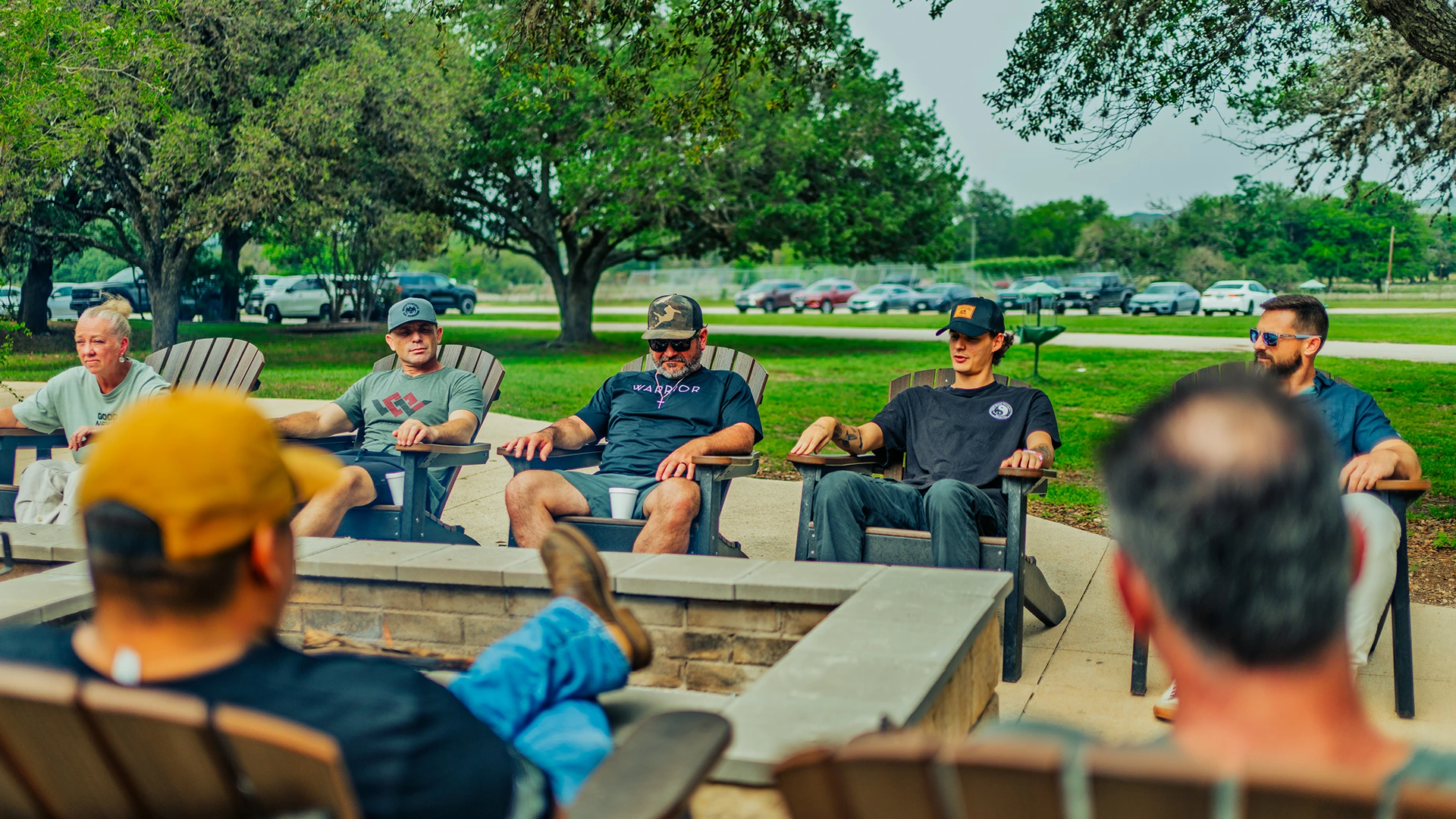
Warriors develop relapse-prevention strategies, strengthen coping skills, and build a personalized aftercare plan supported by Warriors Anonymous, the Warriors Heart App, and our Alumni Program.
Family Involvement in Treatment
Families play an important role in recovery, but the work has to start with the warrior.
Warriors Anonymous Al-Anon Meetings
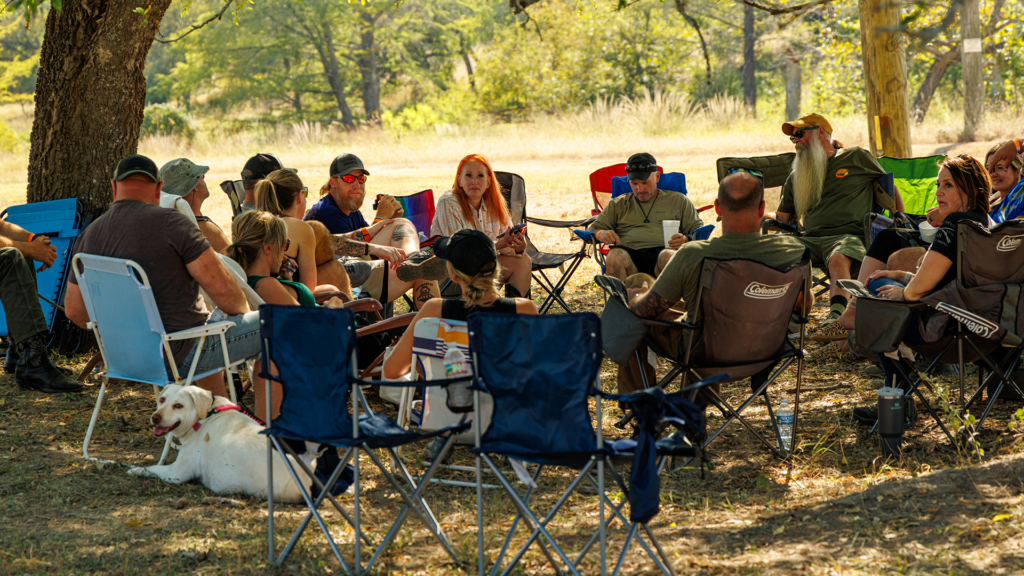
There is a Warriors Anonymous Al-Anon meeting for family members every Monday at 1930 EST / 1830 CST via Zoom.
Zoom Meeting ID: 873 2818 6101
Passcode: 491901
This meeting is for spouses, parents, siblings, and others who love a warrior struggling with substance use.
Signs Your Warrior Needs Help
- Persistent mood changes – Increased irritability, anger, or emotional numbness
- Violent or erratic behavior – Behavior that’s unpredictable or out of character
- Isolation – Withdrawing from family, friends, or activities they used to enjoy
- Substance use or dependence – Increased drinking, drug use, or reliance on prescription medications
- Sleep disturbances – Nightmares, insomnia, or inability to rest
- Loss of interest in life – No longer finding joy or purpose in things that used to matter
If They’re in Crisis
If your loved one has attempted suicide or shows signs they are considering it, call the National Suicide Prevention Lifeline at 1-800-273-8255 for immediate assistance.
Veterans Crisis Line: Call or text 988, then press 1
Supporting Your Warrior After Treatment
Recovery doesn’t end when residential treatment does. The real work begins after they come home.
What families need to know:
- Your warrior will need continued support through outpatient care, sober living, Warriors Anonymous, or the Alumni Program
- Recovery isn’t linear—setbacks don’t mean treatment failed
- Help by respecting boundaries, encouraging accountability, and taking care of yourself
- Don’t enable by making excuses, protecting them from consequences, or taking over responsibilities they need to rebuild
Ready to Take the Next Step?
You’ve handled pressure, responsibility, and situations most people never face.
Asking for help doesn’t take that away. It protects it.
If drugs have started to take more than they give, you don’t have to figure this out alone. Support is available right now, and the conversation is confidential.

