





Drug & Substance Addiction Treatment for Warriors
Comprehensive, trauma-informed care for drug and substance addiction rooted in understanding the realities of service
Drug and substance addiction shows up differently in military and first responder communities. Warriors use substances to manage physical pain, sleep disruption, trauma symptoms, and the pressure to always perform. Marijuana, kratom, cocaine, methamphetamine, and heroin each tell a different story, but the pattern is the same: what starts as coping becomes a problem you can’t control alone.
At Warriors Heart, we treat drug and substance addiction with an approach built specifically for those who protect and serve. Our 42-day residential program provides the time, structure, and peer accountability needed to address both substance use and the deeper stress or trauma driving it.
We are nothing like a civilian rehab. Our training program is built around discipline, trust, and shared experience.
Understanding Drug & Substance Addiction in Warrior Communities
Drug and substance use in warrior populations rarely comes from recklessness. It comes from exposure, responsibility, and pressure.
Many warriors turn to substances to manage:
- Physical pain from service-related injuries
- Trauma symptoms tied to PTSD
- Sleep disruption and chronic stress
- Performance expectations that never turn off
Substances that once helped now create more problems. Warriors carry discipline and strength. Addiction doesn’t change that. It buries it under weight that shouldn’t be there.
Recognizing when a substance has become a problem takes clarity. That clarity is the first step.
What Recovery Looks Like at Warriors Heart
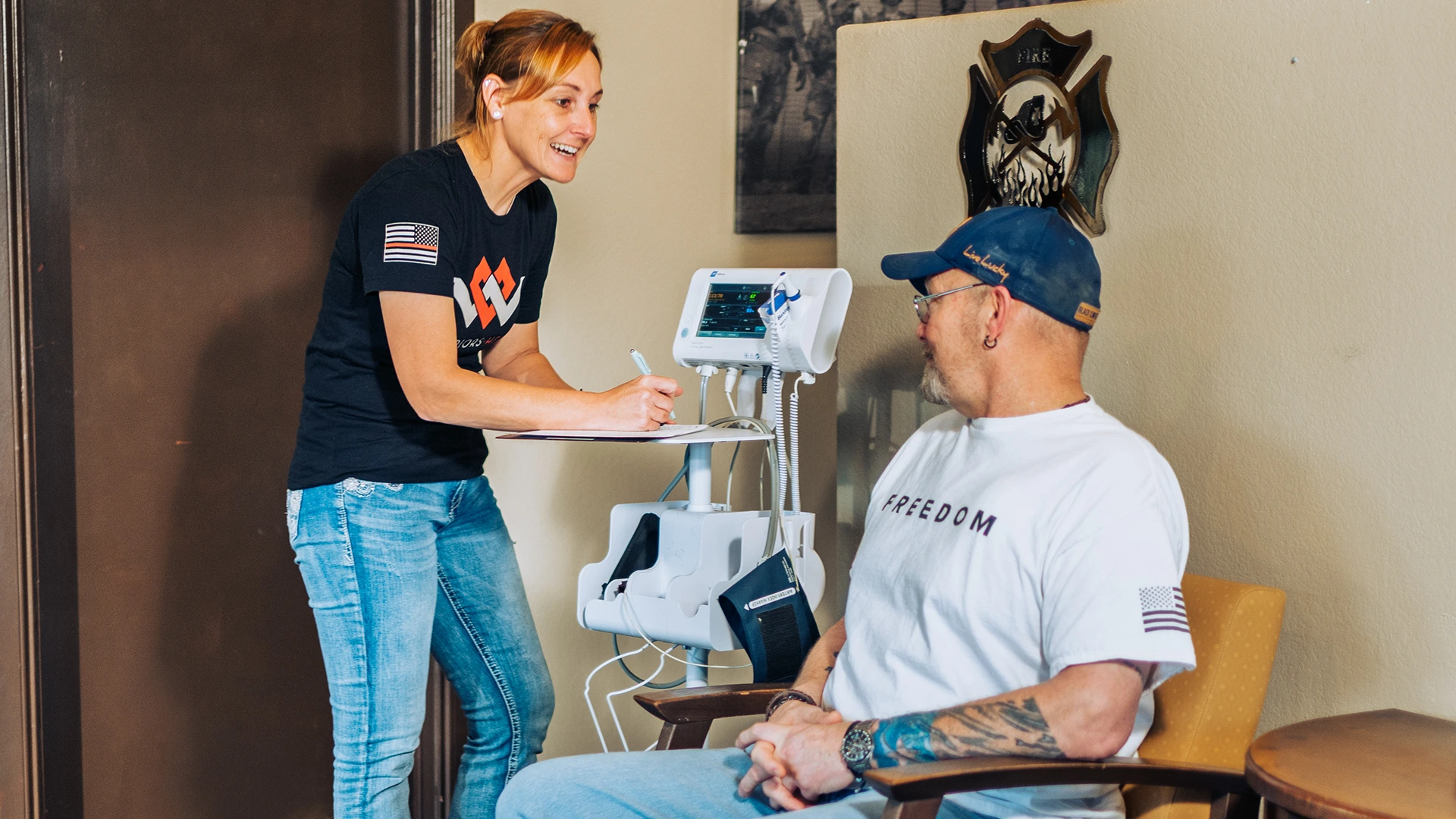
Recovery follows a clear, structured path. Warriors begin with assessment and stabilization, then move into residential care focused on breaking dependency, addressing root causes, and restoring daily structure.
Before completing the program, each warrior develops a plan for life after treatment, including continued peer support through our Alumni Program, Warriors Anonymous, and connection to outpatient care or sober living when appropriate.
Short-term sobriety isn’t the goal. You’re building stability that lasts beyond treatment.
-
Medical Detox
Medically supervised detox with 24/7 care for veterans, active duty service members, and first responders. Safe withdrawal management so you can start treatment stable and ready.
Learn more -
Inpatient Rehabilitation
Warriors Heart’s 42-day residential program treats addiction and PTSD exclusively for veterans, active duty service members, and first responders. Full immersion treatment on over 500 acres in Texas or Virginia.
Learn more -
Dual Diagnosis Treatment
Specialized care for addiction and co-occurring mental health conditions. One addiction specialist. One mental health clinician. Working together because substance use and trauma aren’t separate problems.
Learn more -
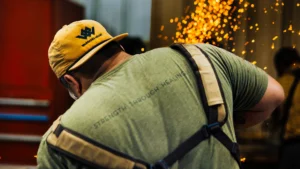
Experiential Therapy
Replace addiction with purpose. K9 program, equine, art, yoga, jiu jitsu, wood shop, fishing, nature hikes. Warriors rebuild confidence and purpose through hands-on experiences alongside clinical care.
Learn more -
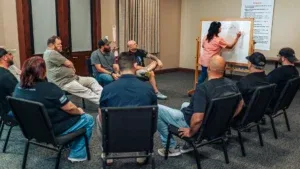
Outpatient Rehabilitation
Flexible outpatient treatment for veterans, active duty service members, and first responders. PHP (Partial Hospitalization Program), sober living, and TMS/MeRT brain therapy. Continue recovery while maintaining work and family.
Learn more -
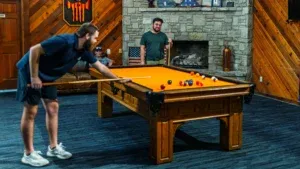
Sober Living
Structured recovery housing for warriors transitioning from residential treatment. 60-day minimum stay with Warriors Anonymous meetings, optional intensive outpatient programming, meals, and peer community in Bandera, Texas.
Learn more -
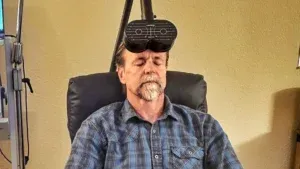
TMS Brain Therapy
Non-invasive brain stimulation therapy for treatment-resistant PTSD, depression, anxiety, and TBI. Available to warriors, alumni, and family members at our Texas campus. Advanced technology most treatment centers don’t have.
Learn more -
Warriors Heart Aftercare
Recovery doesn’t end at discharge. Alumni are supported for life through Warriors Anonymous meetings, outpatient programs, the Alumni App, peer community, and 24/7 access to support.
Learn more
Ready to Take the Next Step?
You’ve handled pressure, responsibility, and situations most people never face.
Asking for help doesn’t take that away. It protects it.
If drugs have started to take more than they give, you don’t have to figure this out alone. Support is available right now, and the conversation is confidential.

