





PTSD Treatment Exclusively for Warriors Who Served
Combat trauma requires treatment from those who understand.
At Warriors Heart, we specialize in treating PTSD in veterans, active-duty military, and first responders who have faced trauma in service to others. Our exclusive environment provides safety, trust, and peer support that civilian programs cannot replicate.
You are not broken. You are injured, and you can heal.
Call (866) 516-9540 or take a confidential assessment to begin your recovery journey today.
Understanding PTSD in Military & First Responder Communities
Post-Traumatic Stress Disorder (PTSD) develops after experiencing or witnessing traumatic events. While anyone can experience trauma, those who serve in the military or as first responders face repeated and extreme exposure that sets their experience apart.
Many turn to alcohol, prescription medications, or illicit substances to manage intrusive memories, hypervigilance, and emotional pain. Over time, this self-medication can develop into dependency, creating a dual diagnosis of addiction and trauma.
At Warriors Heart, we understand that PTSD is not a sign of weakness. It is an injury of service that deserves specialized care, understanding, and community support.
Research from the U.S. Department of Veterans Affairs shows that up to 30% of veterans experience PTSD, depending on the conflict. First responders are also affected at rates up to 69% higher than civilians, according to the First Responder Support Network.
How PTSD Affects Warriors Differently
PTSD symptoms among warriors often include hypervigilance, emotional numbing, survivor guilt, anger, and difficulty reconnecting with family or civilian life. These reactions are natural responses to abnormal circumstances.
Common co-occurring conditions include:
- Alcohol Abuse – often used to self-medicate trauma
- Drug Dependence – stemming from combat injury prescriptions
- Depression or Anxiety
- Traumatic Brain Injury (TBI)
Unresolved trauma impacts not only the warrior but also their family and unit, often causing isolation and disconnection. Warriors Heart helps rebuild those bridges with empathy and proven methods.
At Warriors Heart, PTSD gets treated like what it is: an injury from service that requires expert care and peer understanding.
Understanding the Causes of PTSD in Warriors
PTSD can result from combat exposure, critical incidents, loss of fellow service members, military sexual trauma (MST), or repeated exposure to traumatic events. First responders may experience trauma through accidents, rescues, or violence witnessed on duty.
At Warriors Heart, our trauma specialists and warrior staff recognize that these experiences accumulate over time. Our goal is to help warriors process trauma safely, restore emotional regulation, and rebuild a sense of purpose.
How Warriors Heart Treats PTSD in Warriors
Healing PTSD takes movement, connection, and the right environment. Warriors Heart combines trauma-informed clinical care with experiential healing designed specifically for veterans, active-duty service members, and first responders.
Our treatment programs may include:
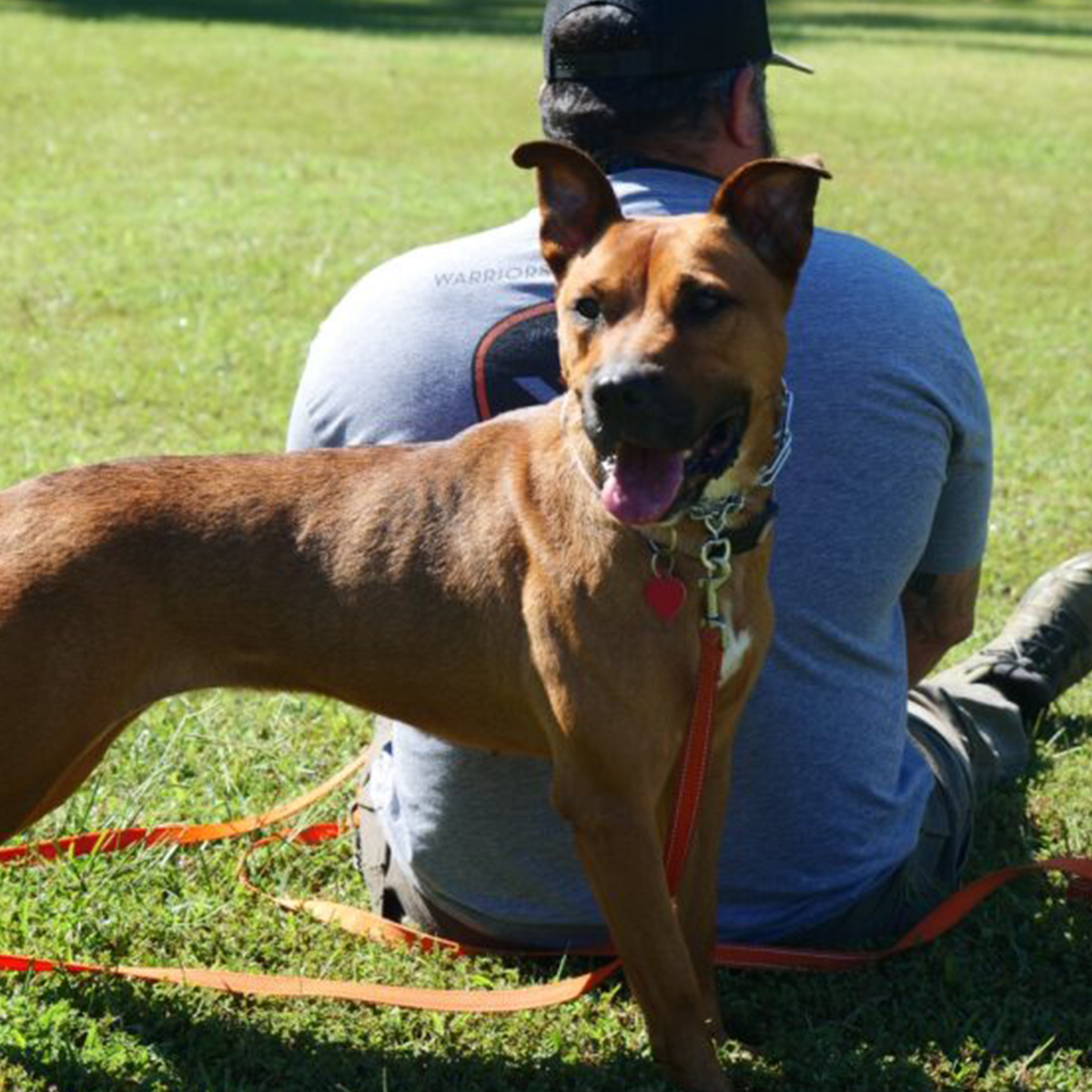
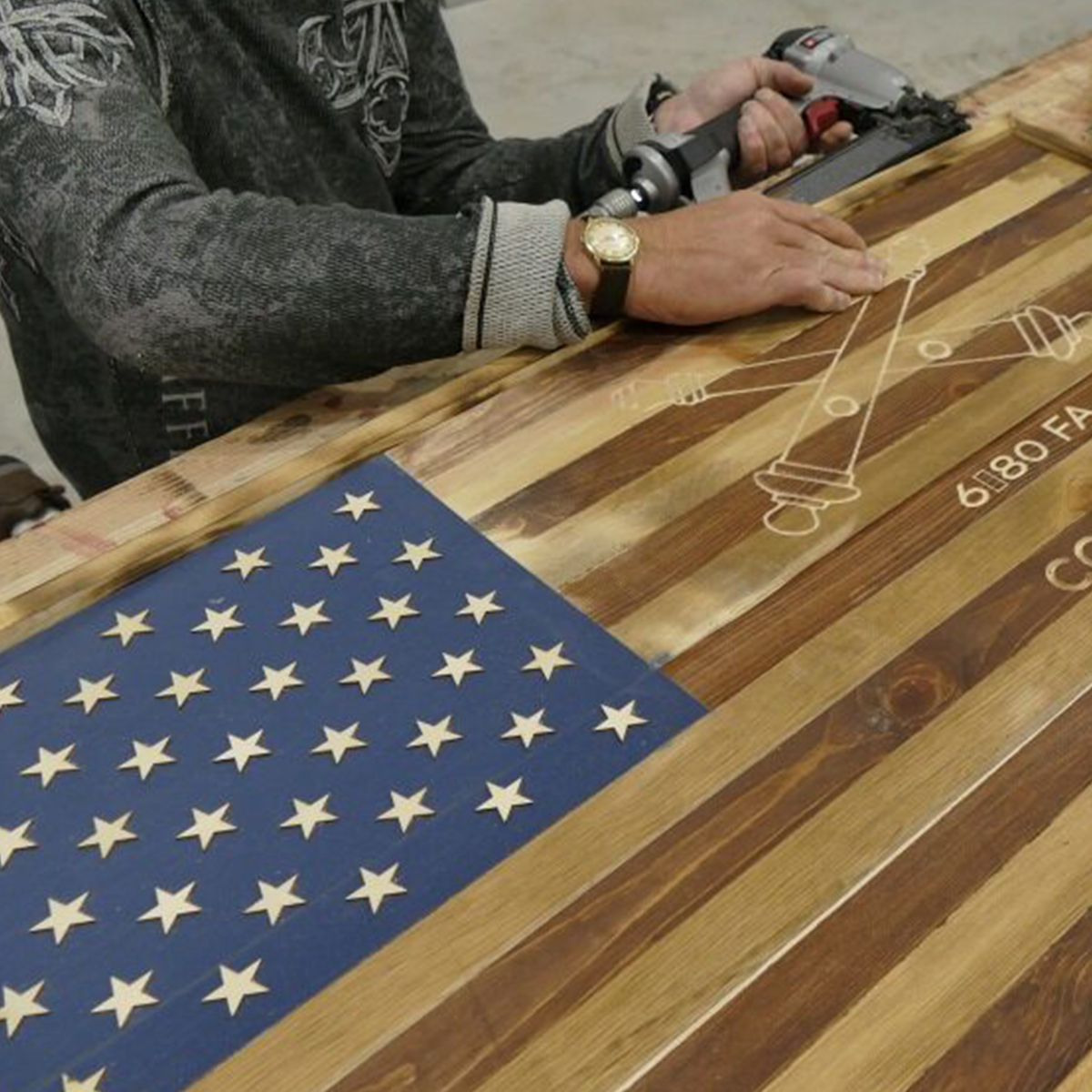
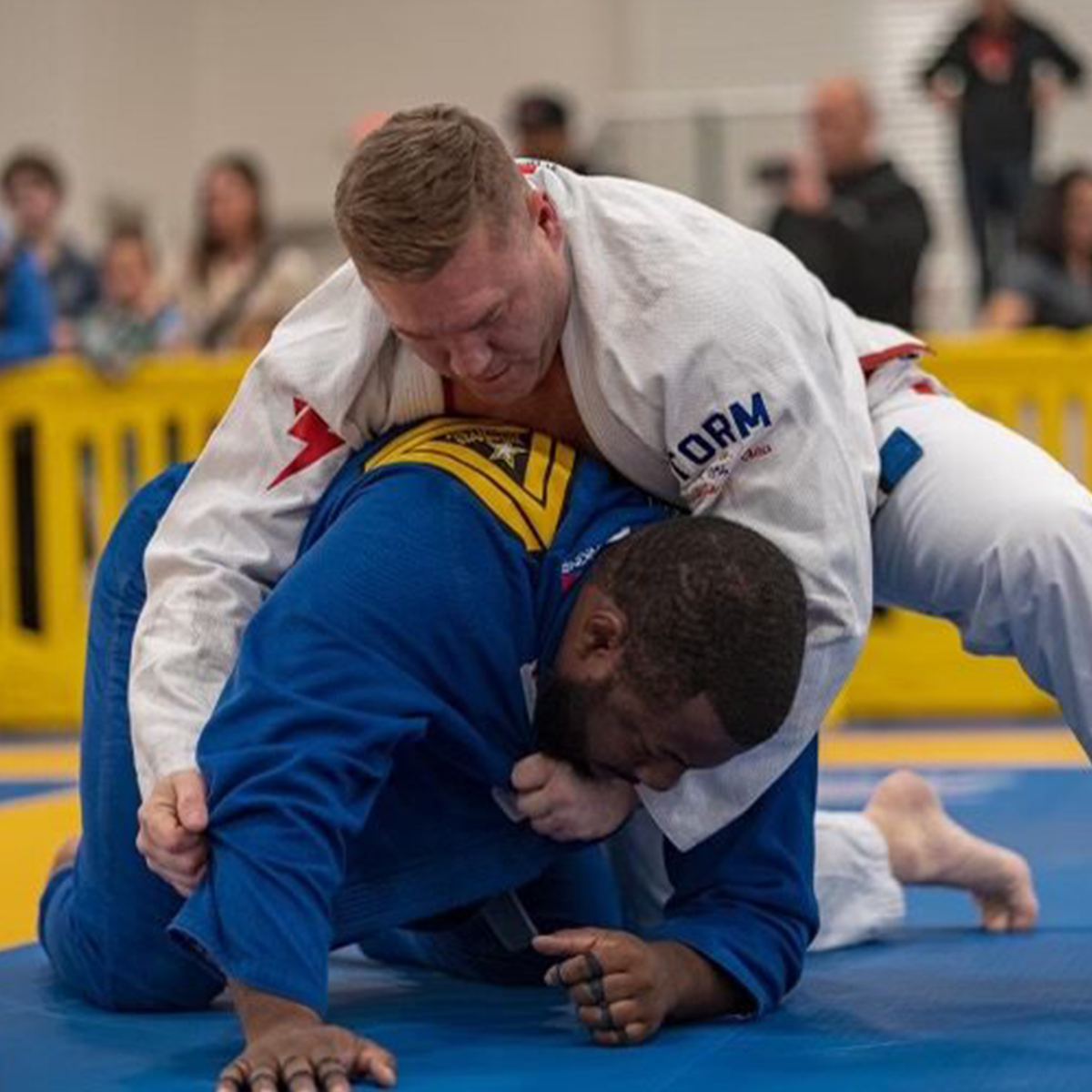
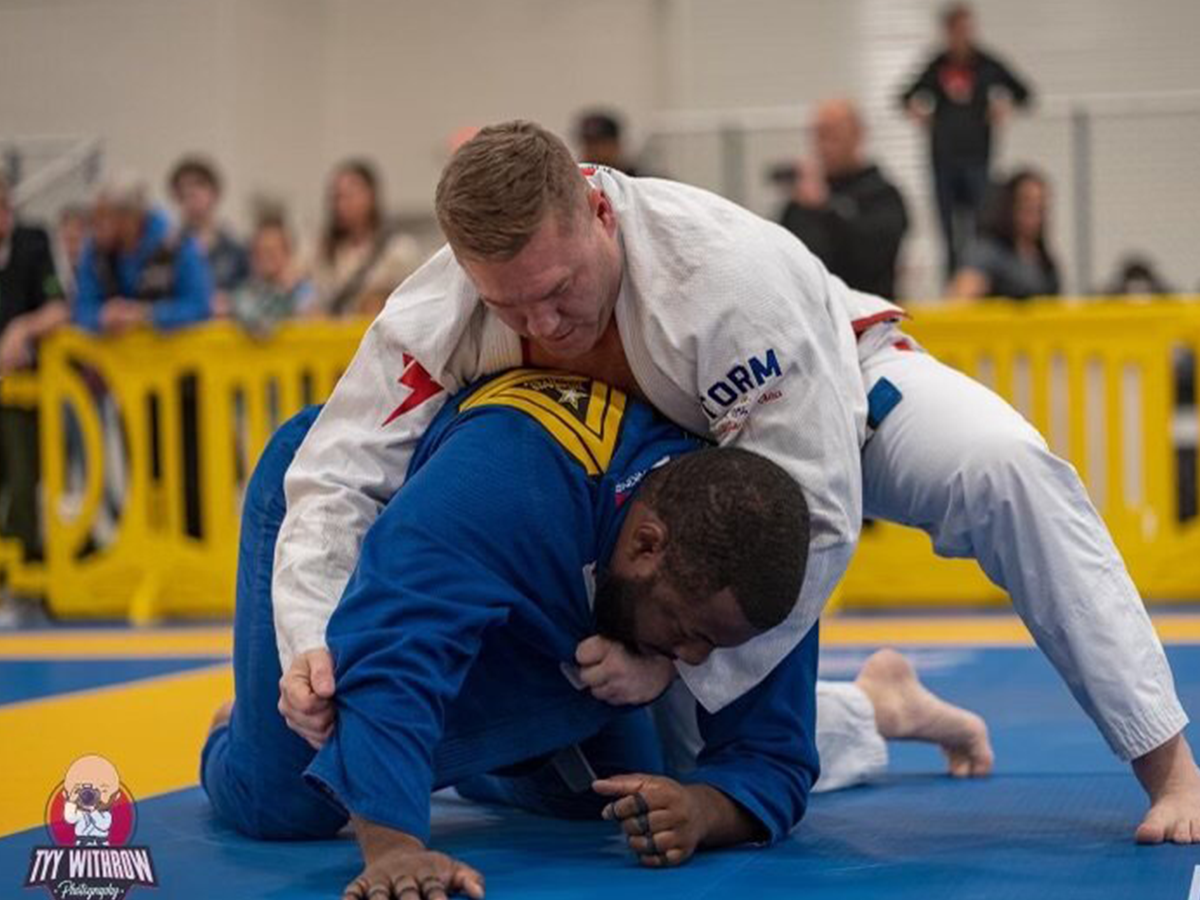
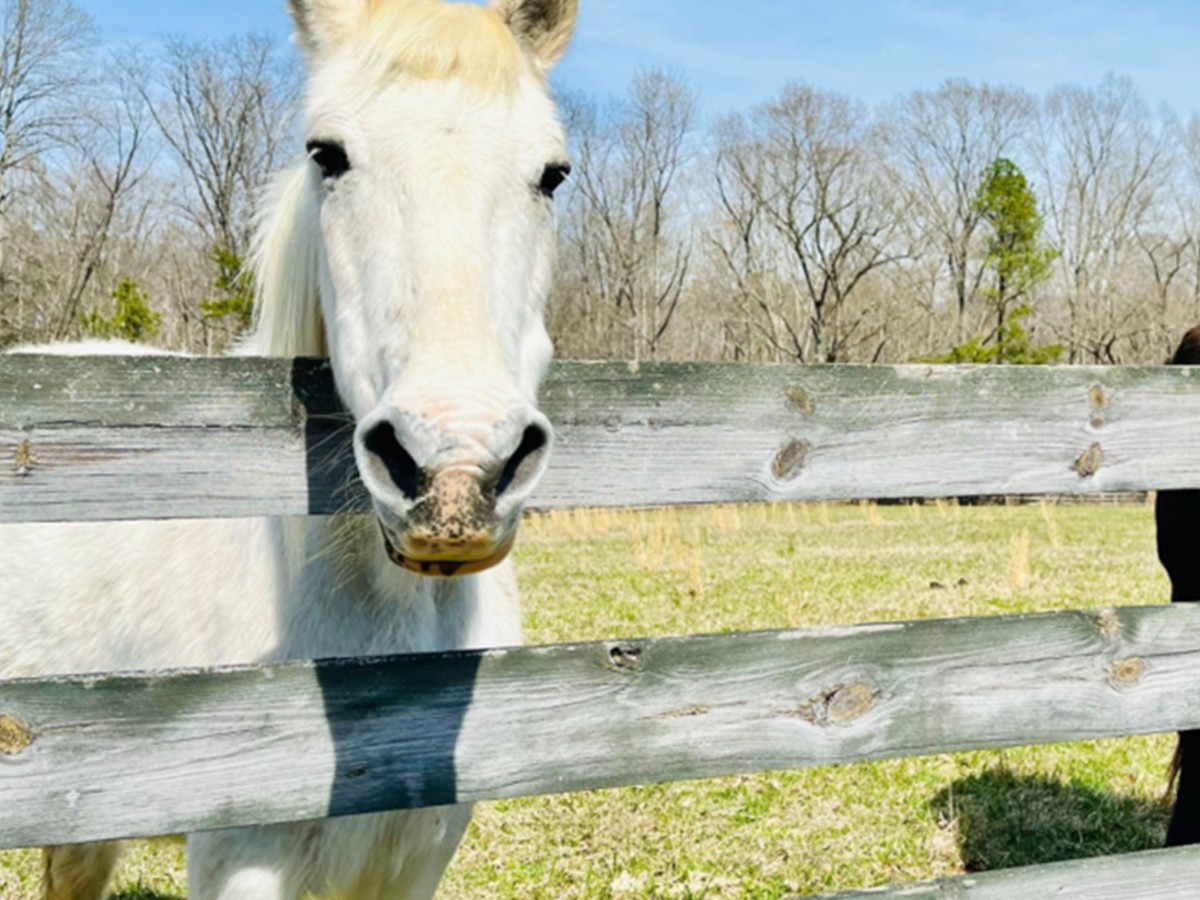
- K9 Program, equine therapy, art therapy, jiu-jitsu, yoga, and metal and wood shop — experiential therapies that rebuild trust, confidence, and purpose
- EMDR (Eye Movement Desensitization and Reprocessing) and Accelerated Resolution Therapy (ART) for trauma processing
- Cognitive Behavioral Therapy (CBT) led by licensed clinicians with military and first responder backgrounds
- MeRT (Magnetic e-Resonance Therapy), also known as TMS (Transcranial Magnetic Stimulation) — offered as part of our outpatient programs for brain regulation, mood stabilization, and emotional healing, especially for those recovering from TBI
All treatment takes place within a community of peers who have served, guided by clinicians and staff who understand the unique challenges of the warrior lifestyle.
Your PTSD Recovery Journey at Warriors Heart
Every warrior’s journey is different, but none have to walk it alone. From the first call to long-term aftercare, Warriors Heart provides a structured, compassionate path toward lasting recovery.
-
Medical Detox
Medically supervised detox with 24/7 care for veterans, active duty service members, and first responders. Safe withdrawal management so you can start treatment stable and ready.
Learn more -
Inpatient Rehabilitation
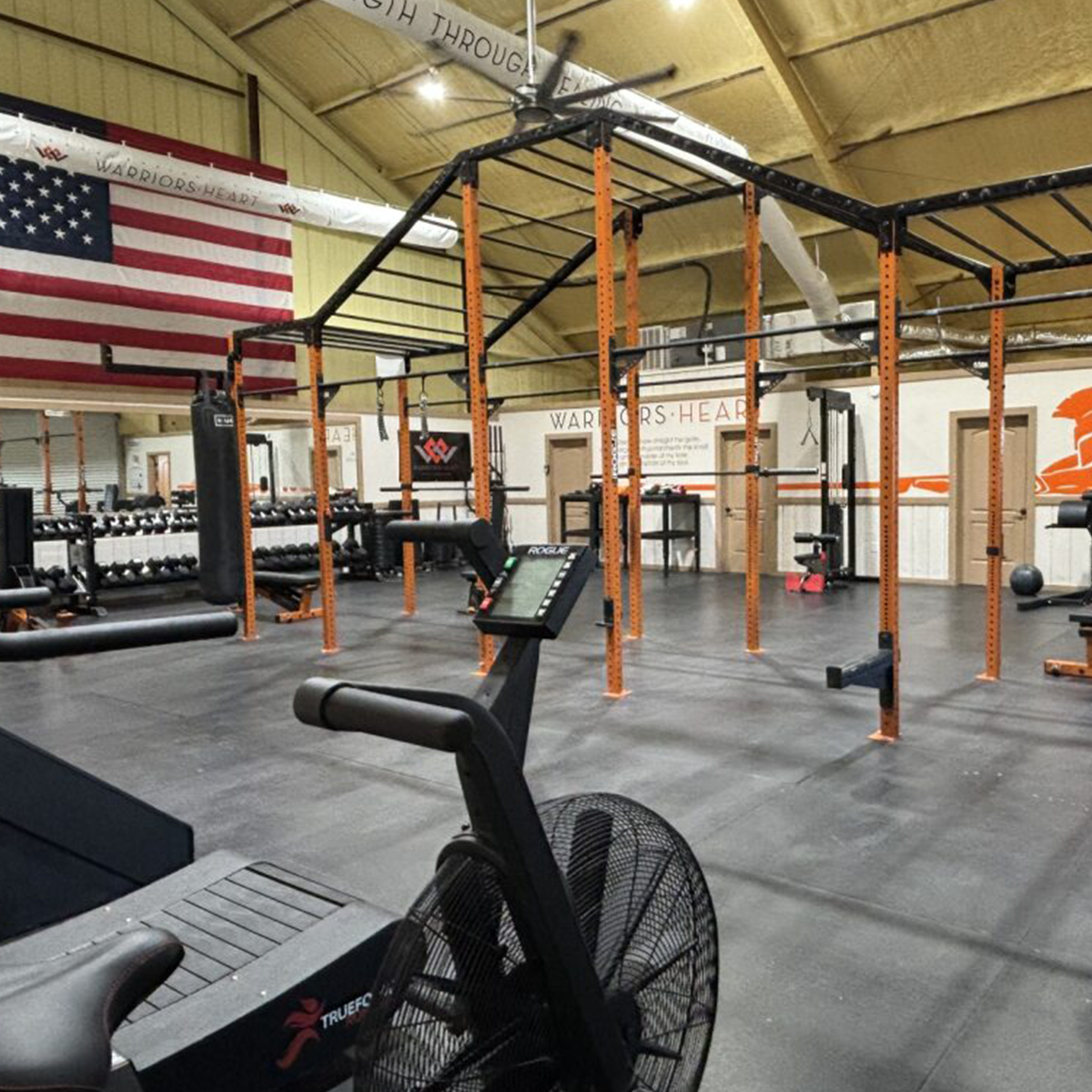
Warriors Heart’s 42-day residential program treats addiction and PTSD exclusively for veterans, active duty service members, and first responders. Full immersion treatment on over 500 acres in Texas or Virginia.
Learn more -
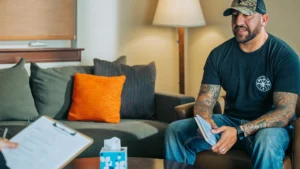
Dual Diagnosis Treatment
Specialized care for addiction and co-occurring mental health conditions. One addiction specialist. One mental health clinician. Working together because substance use and trauma aren’t separate problems.
Learn more -
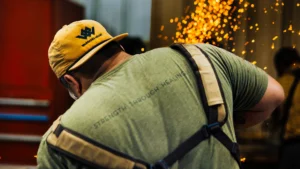
Experiential Therapy
Replace addiction with purpose. K9 program, equine, art, yoga, jiu jitsu, wood shop, fishing, nature hikes. Warriors rebuild confidence and purpose through hands-on experiences alongside clinical care.
Learn more -
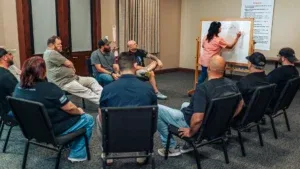
Outpatient Rehabilitation
Flexible outpatient treatment for veterans, active duty service members, and first responders. PHP (Partial Hospitalization Program), sober living, and TMS/MeRT brain therapy. Continue recovery while maintaining work and family.
Learn more -
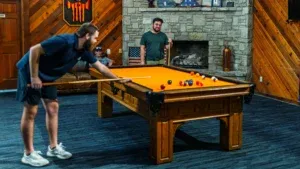
Sober Living
Structured recovery housing for warriors transitioning from residential treatment. 60-day minimum stay with Warriors Anonymous meetings, optional intensive outpatient programming, meals, and peer community in Bandera, Texas.
Learn more -
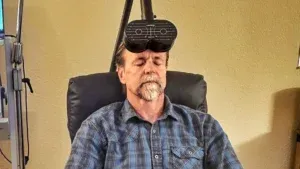
TMS Brain Therapy
Non-invasive brain stimulation therapy for treatment-resistant PTSD, depression, anxiety, and TBI. Available to warriors, alumni, and family members at our Texas campus. Advanced technology most treatment centers don’t have.
Learn more -
Warriors Heart Aftercare
Recovery doesn’t end at discharge. Alumni are supported for life through Warriors Anonymous meetings, outpatient programs, the Alumni App, peer community, and 24/7 access to support.
Learn more
Ready to Take the Next Step?
You’ve handled pressure, responsibility, and situations most people never face.
Asking for help doesn’t take that away. It protects it.
If drugs have started to take more than they give, you don’t have to figure this out alone. Support is available right now, and the conversation is confidential.

