





Prescription Drug Abuse Treatment for Warriors
Specialized care for prescription medication dependence in military and first responder communities
Prescription drug dependence looks different for warriors. Medications prescribed after injury, surgery, or to manage chronic pain. Sleep aids that became necessary after years of irregular schedules. Stimulants used to stay alert through deployments or long shifts.
What began as legitimate treatment can quietly shift into dependence. At Warriors Heart, we treat prescription drug abuse with an approach built specifically for those who serve—addressing both the physical dependency and the underlying stress, trauma, or pain driving continued use.
We’re a treatment program designed for warriors who need clinical support, peer accountability, and time to address what’s underneath the medication.
Understanding Prescription Drug Abuse in Warrior Populations
Prescription drug dependence in military and first responder communities rarely starts with recreational use. It starts with legitimate need.
- Pain management after injury — Opioids prescribed for service-related injuries that become harder to stop than expected
- Sleep medications — Prescribed to manage insomnia or sleep disruption caused by shift work, deployments, or PTSD
- Stimulants — Used to maintain performance, stay alert, or manage attention issues
- Anti-anxiety medications — Benzodiazepines prescribed for anxiety or panic that develop into physical dependence
Prescription medications work. Until they don’t. Tolerance builds. Dosages increase. What helped becomes what’s needed just to function. Stopping without support becomes dangerous.
Recognizing dependence is clarity.
How Warriors Heart Treats Prescription Drug Dependence
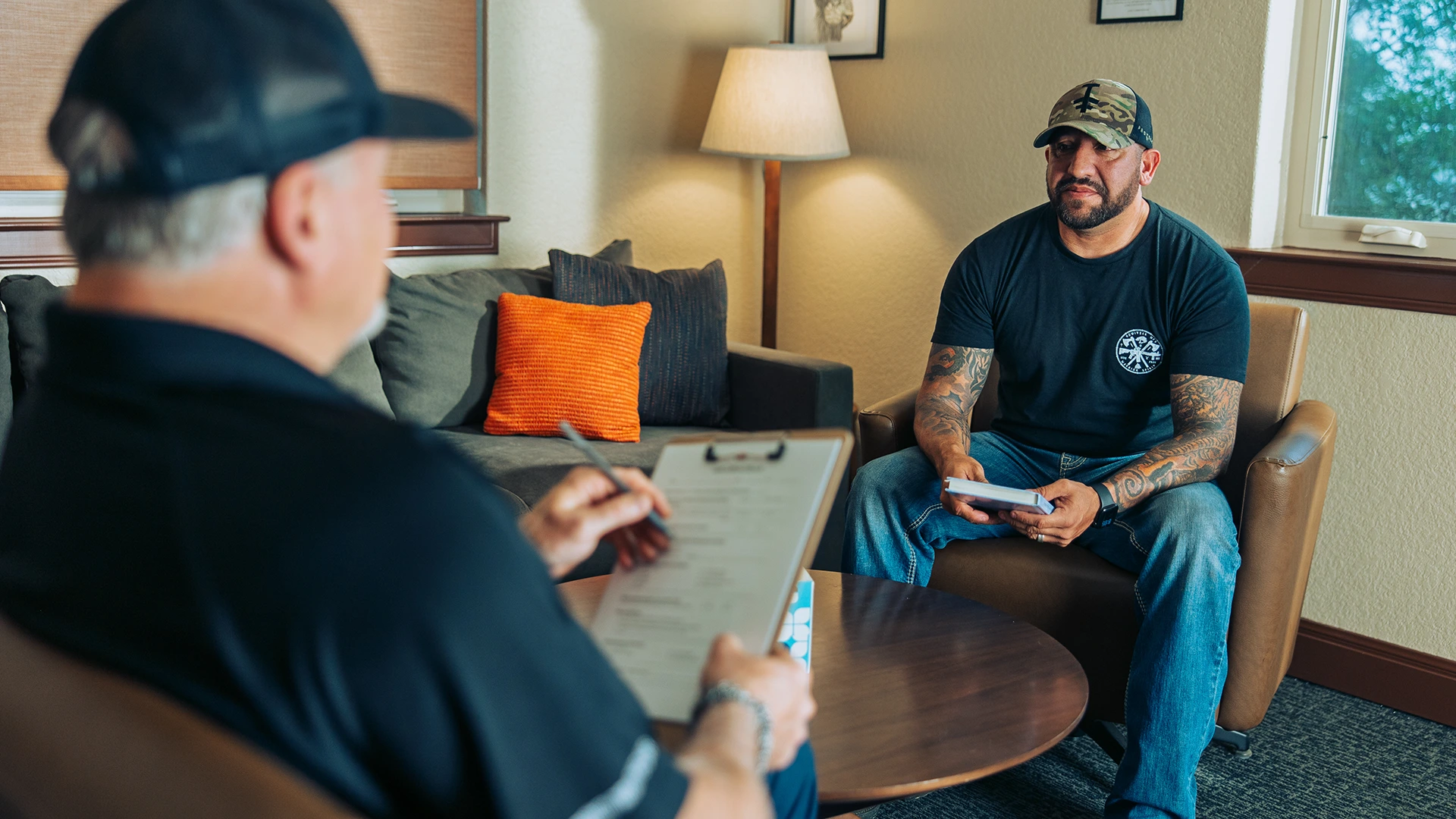
Treatment starts with medically supervised withdrawal, followed by intensive residential care that addresses why the medications became necessary in the first place.
-
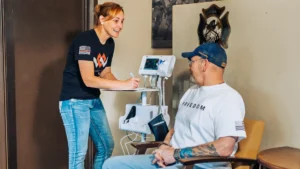
Medical Detox
Medically supervised detox with 24/7 care for veterans, active duty service members, and first responders. Safe withdrawal management so you can start treatment stable and ready.
Learn more -
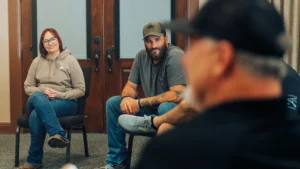
Inpatient Rehabilitation
Warriors Heart’s 42-day residential program treats addiction and PTSD exclusively for veterans, active duty service members, and first responders. Full immersion treatment on over 500 acres in Texas or Virginia.
Learn more -
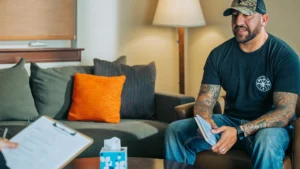
Dual Diagnosis Treatment
Specialized care for addiction and co-occurring mental health conditions. One addiction specialist. One mental health clinician. Working together because substance use and trauma aren’t separate problems.
Learn more -
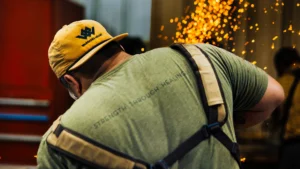
Experiential Therapy
Replace addiction with purpose. K9 program, equine, art, yoga, jiu jitsu, wood shop, fishing, nature hikes. Warriors rebuild confidence and purpose through hands-on experiences alongside clinical care.
Learn more -
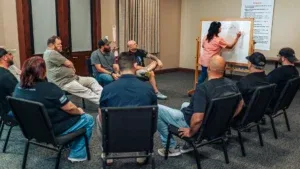
Outpatient Rehabilitation
Flexible outpatient treatment for veterans, active duty service members, and first responders. PHP (Partial Hospitalization Program), sober living, and TMS/MeRT brain therapy. Continue recovery while maintaining work and family.
Learn more -
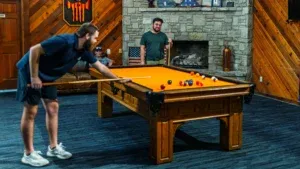
Sober Living
Structured recovery housing for warriors transitioning from residential treatment. 60-day minimum stay with Warriors Anonymous meetings, optional intensive outpatient programming, meals, and peer community in Bandera, Texas.
Learn more -
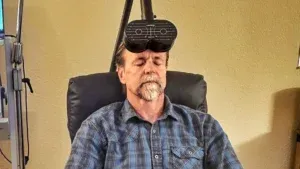
TMS Brain Therapy
Non-invasive brain stimulation therapy for treatment-resistant PTSD, depression, anxiety, and TBI. Available to warriors, alumni, and family members at our Texas campus. Advanced technology most treatment centers don’t have.
Learn more -
Warriors Heart Aftercare
Recovery doesn’t end at discharge. Alumni are supported for life through Warriors Anonymous meetings, outpatient programs, the Alumni App, peer community, and 24/7 access to support.
Learn more
Every element is designed to treat both the medication dependence and the conditions that made those medications seem necessary.
Medications Commonly Treated
Warriors Heart treats dependence on prescription medications across multiple categories:
Opioid Pain Medications
- Oxycodone (OxyContin, Percocet)
- Hydrocodone (Vicodin, Norco)
- Morphine
- Fentanyl
- Tramadol
- Codeine
Benzodiazepines (Anti-Anxiety & Sleep Medications)
- Xanax (Alprazolam)
- Klonopin (Clonazepam)
- Valium (Diazepam)
- Ativan (Lorazepam)
- Ambien (Zolpidem)
Stimulants
- Adderall (Amphetamine/Dextroamphetamine)
- Ritalin (Methylphenidate)
- Vyvanse (Lisdexamfetamine)
Other Prescription Medications
- Muscle relaxants
- Sleep aids
- Any prescription medication causing physical or psychological dependence
If you’re dependent on a medication not listed here, we can still help. Call to discuss your specific situation.
Why Warrior-Specific Treatment Matters
Civilian treatment centers often don’t understand the context behind prescription use in military and first responder populations.
Warriors Heart does.
We understand:
- Service-related injuries and chronic pain
- The pressure to perform and stay mission-ready
- Sleep disruption from shift work, deployments, and hypervigilance
- The reluctance to report medication issues due to career concerns
- The difference between dependence and addiction
- The stigma warriors face when asking for help
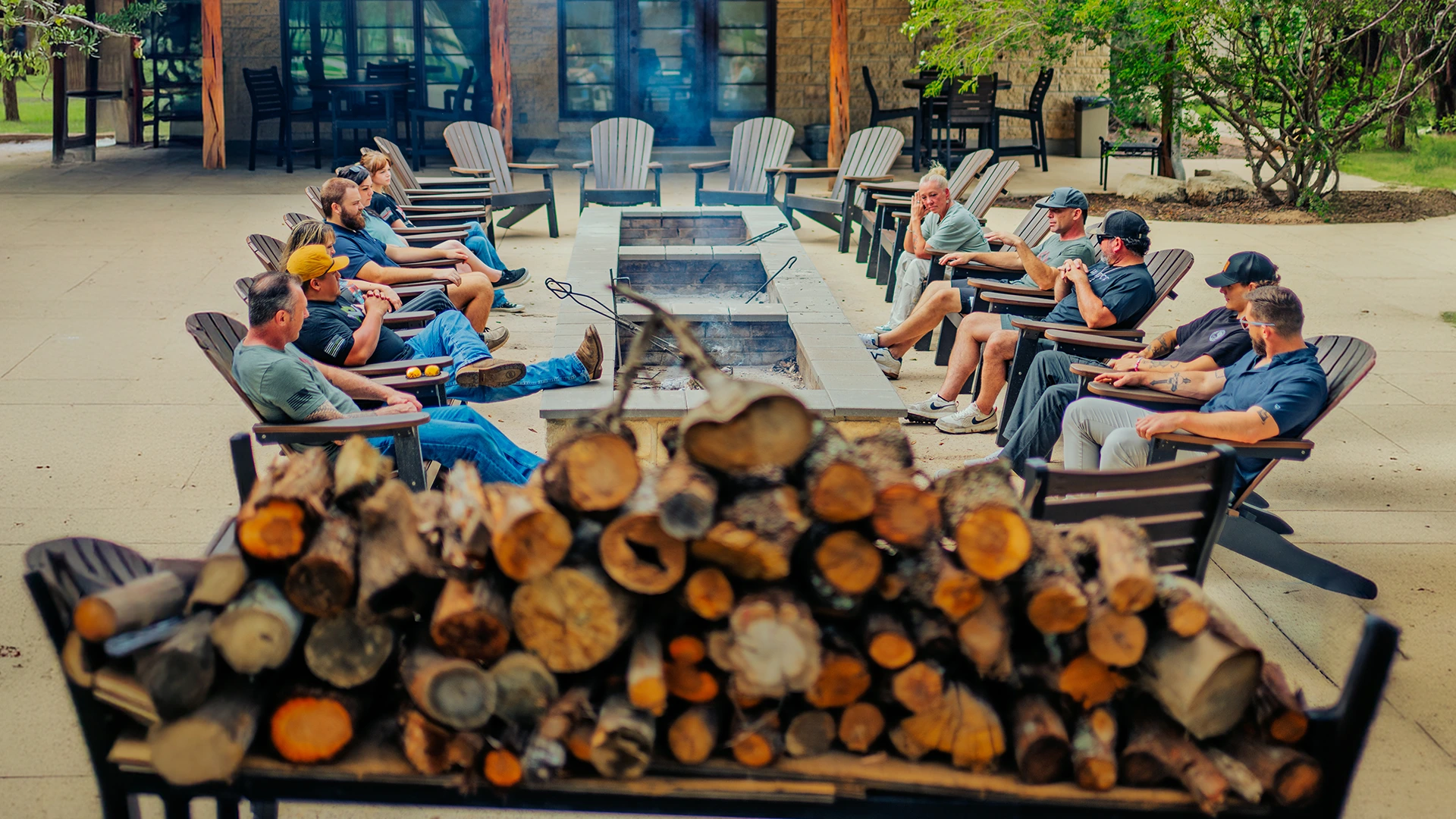
Treatment here happens alongside peers who have carried similar responsibilities. No explaining. No judgment. Just warriors helping warriors.
We Accept Most Insurance & VA Benefits
Warriors Heart works directly with veterans, active duty service members, and first responders to help navigate coverage options.
- Aetna
- Beacon health solutions
- BlueCross BlueShield
- Cigna
- GEHA
- Humana
- Optum
- TRICARE
- TRICARE for Life
- TriWest
- UMR
- United Healthcare
- VA Community Care
We also work with the Texas Veterans Commission and accept private pay.
Note: We currently do not accept Medicaid or any Medicaid-related insurance plans.
Our admissions team understands the VA process and can help you determine eligibility and next steps.
Ready to Take the Next Step?
You’ve handled pressure, responsibility, and situations most people never face.
Asking for help doesn’t take that away. It protects it.
If drugs have started to take more than they give, you don’t have to figure this out alone. Support is available right now, and the conversation is confidential.

