





Addiction Treatment for Warriors Who Served
Alcohol Abuse Treatment for Warriors
Alcohol misuse is common across military and first responder communities. For many, drinking begins as a way to decompress after long shifts, cope with trauma, or manage stress that civilians rarely understand. Over time, what starts as relief becomes dependence. This does not mean weakness. It means you have carried more than the human nervous system is built to hold.
At Warriors Heart, we treat alcohol addiction and the underlying issues that fuel it, including PTSD, depression, anxiety, and occupational trauma.
You do not have to keep fighting this alone. Confidential support is available 24/7.
Understanding Alcohol Addiction in Military and First Responder Communities
Alcohol use is deeply woven into warrior culture. From post-mission rituals to shift-ending decompression, drinking becomes a way to bond, relax, and push down emotions that have no safe outlet. Over time, these patterns become survival strategies, and eventually, dependence.
Common reasons warriors begin misusing alcohol include:
- Using alcohol to calm PTSD symptoms
- Drinking to sleep or “shut off” the mind
- Managing stress from deployments, critical incidents, or traumatic calls
- Dealing with survivor guilt or moral injury
- Numbing chronic pain or injuries
- Trying to appear “fine” for family, unit members, or leadership
Important Context
- Veterans are significantly more likely to binge drink compared to civilians
- Many first responders report using alcohol to cope with job-related trauma
- Repeated exposure to death, violence, and life-threatening events increases risk
Warriors turn to alcohol to manage endurance, pain, identity struggles, and survival patterns. Over time, what helped becomes what’s needed just to get through the day.
How Alcohol Addiction Manifests in Warriors
Alcohol misuse often looks different in the warrior community. Many continue performing at a high level for years while silently struggling.
Common patterns include:
- High-functioning drinking that escalates quietly
- Hiding how much or how often they drink
- Blackouts, withdrawal symptoms, or memory gaps
- Using alcohol to manage hypervigilance, irritability, or sleep problems
- Strain on marriages and family relationships
- Declining performance, clearance concerns, or disciplinary issues
- Feeling unable to relax or feel normal without drinking
For many, drinking becomes the only time their mind slows down. That relief is real — but temporary — and the long-term cost is far higher.
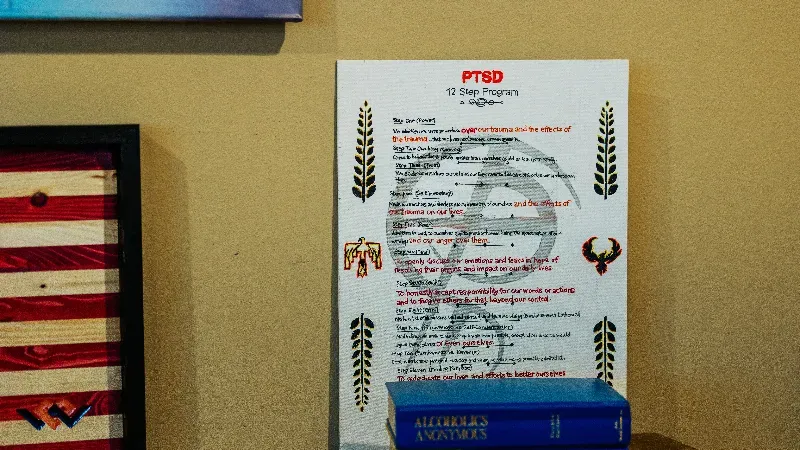
How Warriors Heart Treats Alcohol Addiction
Warriors Heart provides a full continuum of care designed specifically for active duty military, veterans, and first responders. Treatment blends clinical excellence with the cultural understanding necessary for warrior communities.
-
Medical Detox
Medically supervised detox with 24/7 care for veterans, active duty service members, and first responders. Safe withdrawal management so you can start treatment stable and ready.
Learn more -
Inpatient Rehabilitation
Warriors Heart’s 42-day residential program treats addiction and PTSD exclusively for veterans, active duty service members, and first responders. Full immersion treatment on over 500 acres in Texas or Virginia.
Learn more -
Dual Diagnosis Treatment
Specialized care for addiction and co-occurring mental health conditions. One addiction specialist. One mental health clinician. Working together because substance use and trauma aren’t separate problems.
Learn more -
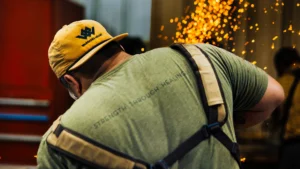
Experiential Therapy
Replace addiction with purpose. K9 program, equine, art, yoga, jiu jitsu, wood shop, fishing, nature hikes. Warriors rebuild confidence and purpose through hands-on experiences alongside clinical care.
Learn more -
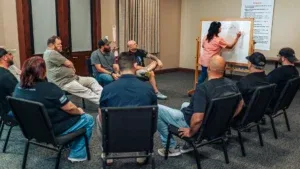
Outpatient Rehabilitation
Flexible outpatient treatment for veterans, active duty service members, and first responders. PHP (Partial Hospitalization Program), sober living, and TMS/MeRT brain therapy. Continue recovery while maintaining work and family.
Learn more -
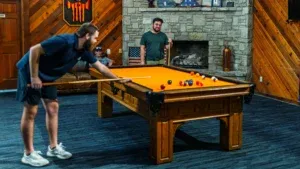
Sober Living
Structured recovery housing for warriors transitioning from residential treatment. 60-day minimum stay with Warriors Anonymous meetings, optional intensive outpatient programming, meals, and peer community in Bandera, Texas.
Learn more -
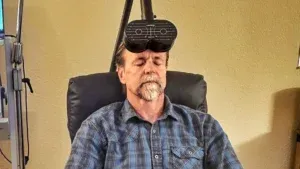
TMS Brain Therapy
Non-invasive brain stimulation therapy for treatment-resistant PTSD, depression, anxiety, and TBI. Available to warriors, alumni, and family members at our Texas campus. Advanced technology most treatment centers don’t have.
Learn more -

Warriors Heart Aftercare
Recovery doesn’t end at discharge. Alumni are supported for life through Warriors Anonymous meetings, outpatient programs, the Alumni App, peer community, and 24/7 access to support.
Learn more
success stories


Ready to Take the Next Step?
You’ve handled pressure, responsibility, and situations most people never face.
Asking for help doesn’t take that away. It protects it.
If drugs have started to take more than they give, you don’t have to figure this out alone. Support is available right now, and the conversation is confidential.

