





What to Expect at Warriors Heart
From arrival to aftercare, here’s what the journey looks like
Treatment at Warriors Heart is designed to help you stabilize, address the root causes of addiction and trauma, and build the tools you need for long-term recovery. You’ll work alongside other warriors who understand what you’ve been through. No civilians in treatment.
Here’s a general overview of what to expect from admission through discharge.
How Long Does Treatment Take?
The residential program is 42 days minimum, not including detox. Detox days are separate and added to the beginning based on individual medical needs.
Some warriors stay longer based on clinical recommendations. The goal is to give you the time you need to stabilize, heal, and build sustainable recovery tools.
Before You Arrive
Admissions Process
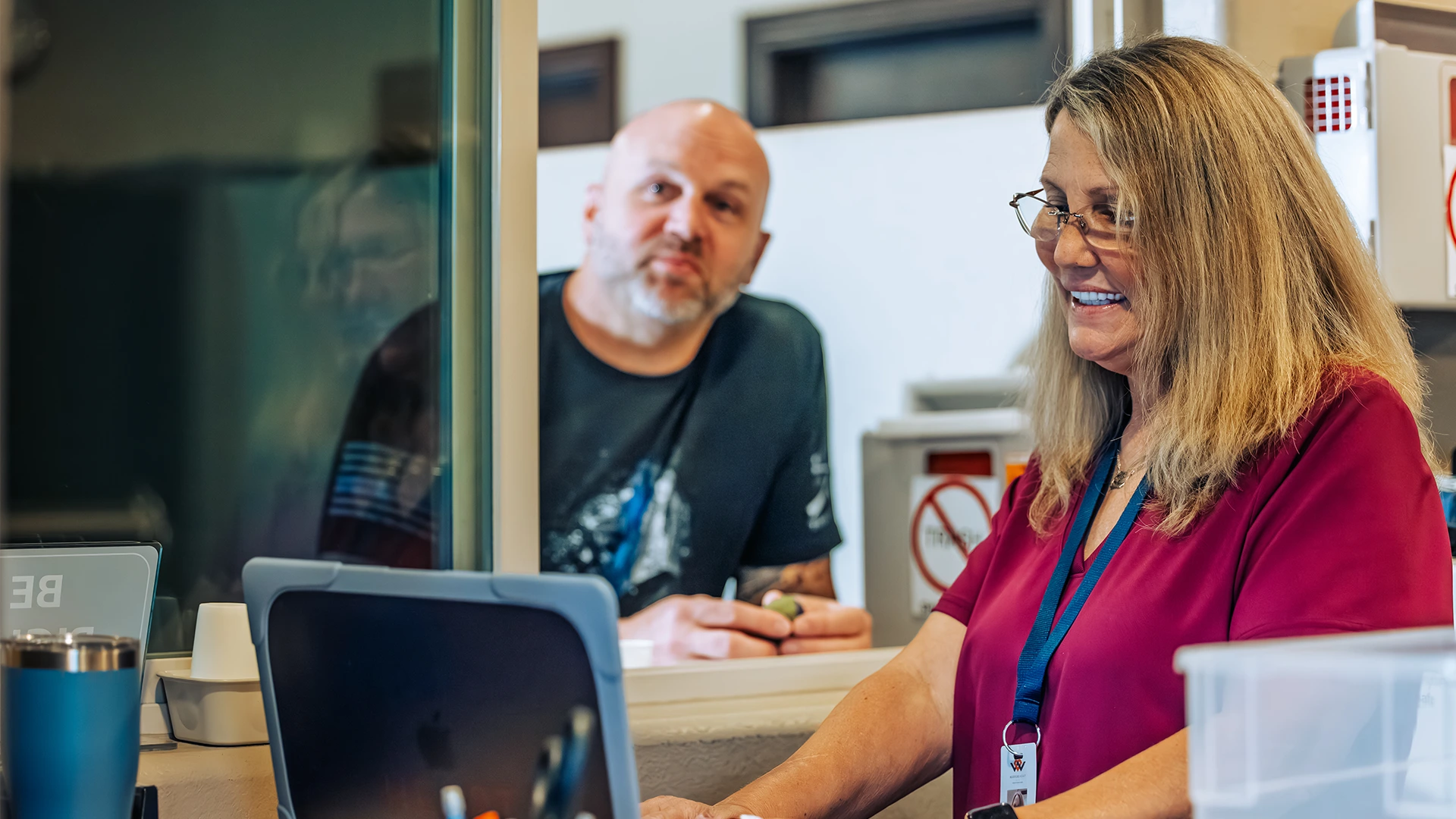
You’ll speak with an admissions advocate who will verify insurance, answer questions, and coordinate your arrival. If medical detox is needed, we’ll arrange that before you begin the residential program.
What to Bring
Required Documents
- Photo ID (driver’s license, military ID, passport)
- Insurance card
- Any medical and mental health records

Medications & Supplements
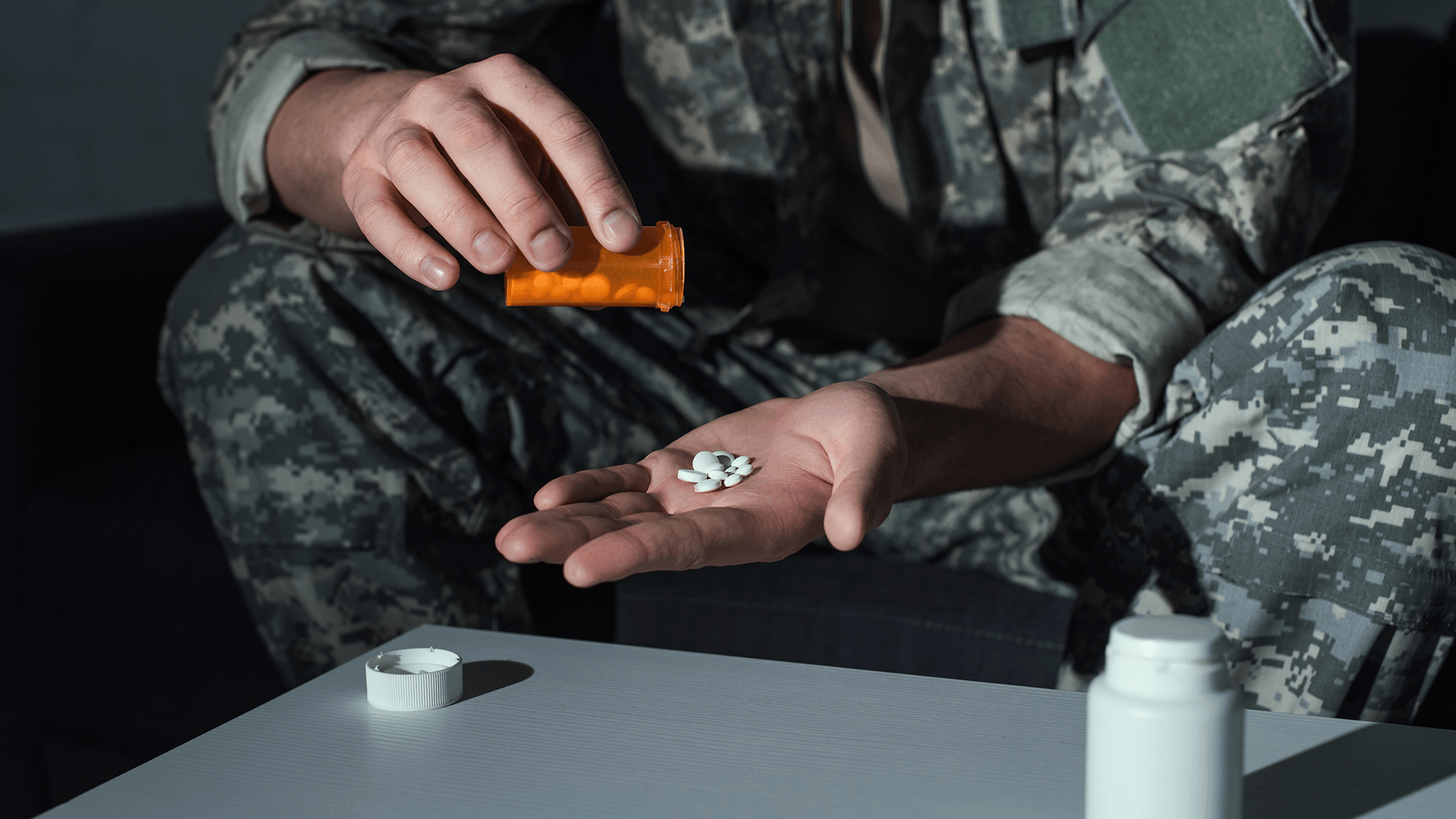
- All current medications in original bottles
- List of any supplements you take
Personal Items
- Comfortable, casual clothing for one week (we have laundry facilities)
- Weather-appropriate outerwear
- Athletic wear and shoes for fitness activities
- Swim clothes
- Toiletries and hygiene products
- Personal photos if desired
What NOT to Bring
- Weapons of any kind
- Electronics (laptops, tablets, cameras)
- Valuables or expensive jewelry
- Alcohol or non-prescription medications
Arrival & Welcome
When you arrive at Warriors Heart, you’ll be greeted by our team and welcomed to campus. You’ll complete intake paperwork, meet with medical staff for a health evaluation, and receive a tour of the facility.
You’ll be introduced to your battle buddy—a peer who will help you get familiar with the program structure and daily routine.
Stabilize and Reset
(Days 1-14)
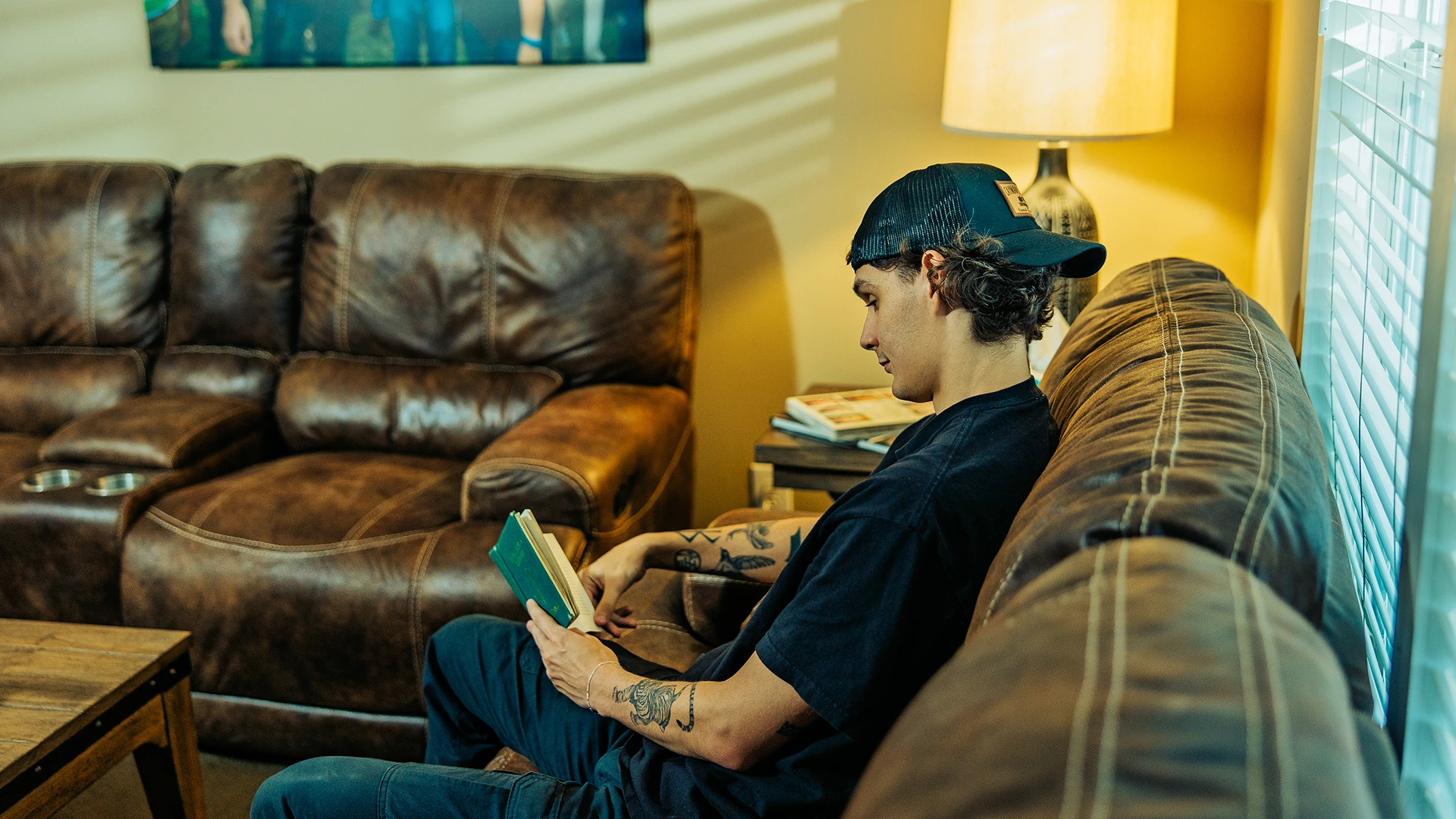
With medical support and structured routine, warriors begin to stabilize physically and mentally, preparing for deeper work.
Heal and Rebuild
(Days 15-35)
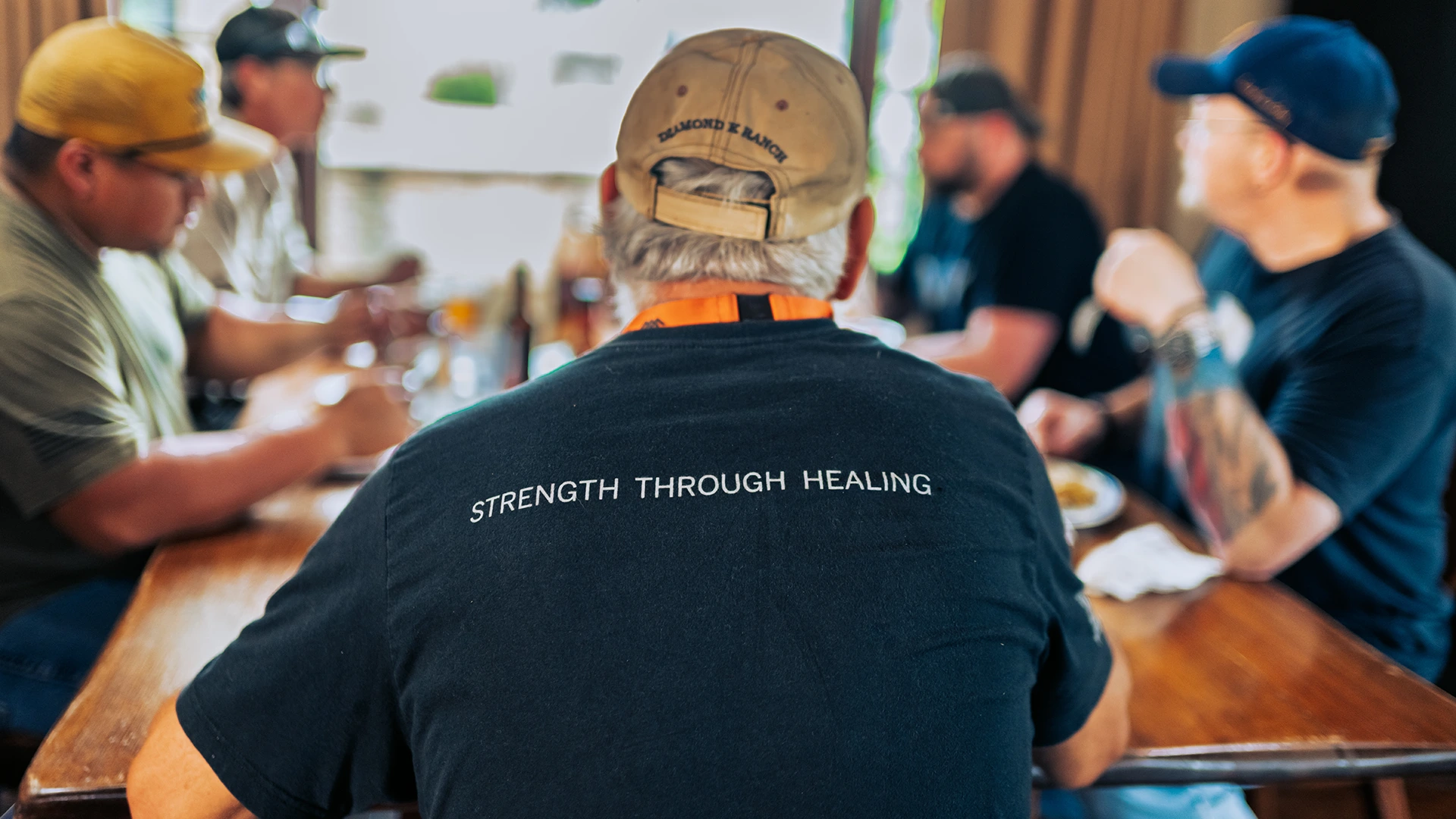
The core therapeutic phase. Warriors engage in trauma-focused therapy, addiction recovery, and experiential electives.
Every warrior participates in Lifeline during this phase—a transformational process that helps them confront their story, release long-held weight, and rebuild identity, confidence, and purpose.
Integrate and Prepare
(Days 36+)
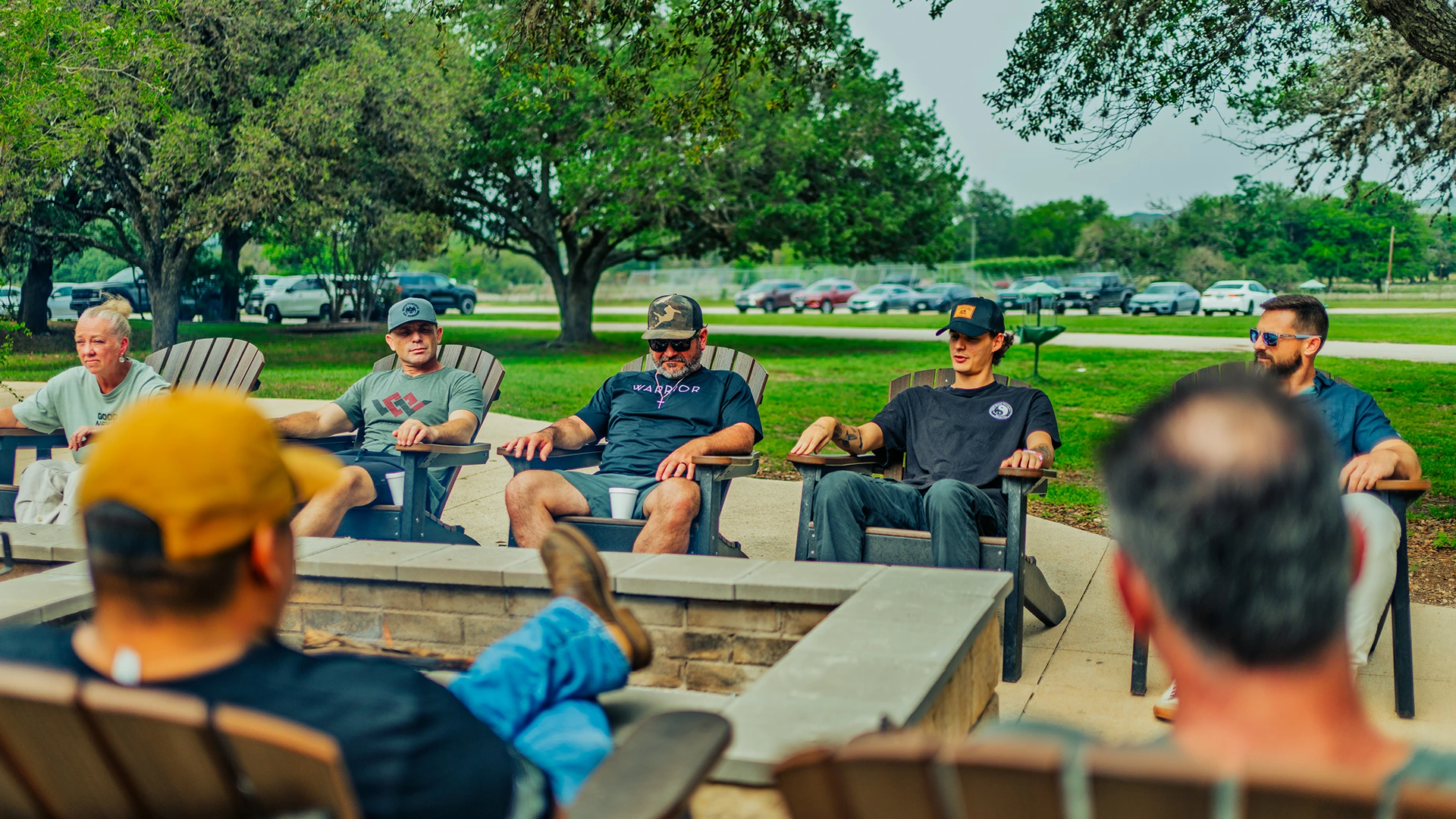
Warriors develop relapse-prevention strategies, strengthen coping skills, and build a personalized aftercare plan supported by Warriors Anonymous, the Warriors Heart App, and our Alumni Program.
Preparing for What Comes Next
As you progress through treatment, you’ll work on aftercare planning. This includes:
- Identifying triggers and building relapse-prevention strategies
- Connecting to sober living, outpatient care, or ongoing support
- Building your personalized recovery plan
- Joining Warriors Anonymous and the Alumni Program for lifelong support
Discharge & Aftercare
Treatment doesn’t end when you leave campus. You’ll have access to:
- Warriors Anonymous – Peer-led recovery meetings
- Alumni Program – Ongoing connection and support
- Outpatient care options – PHP or continued therapy if needed
- Sober living – Structured housing at our Lodge (Texas)
- TMS/MeRT – Brain therapy for TBI, PTSD, or treatment-resistant conditions
Recovery is a lifelong journey. We’re here to support you long after discharge.

Ready to Take the Next Step?
You’ve handled pressure, responsibility, and situations most people never face.
Asking for help doesn’t take that away. It protects it.
If drugs have started to take more than they give, you don’t have to figure this out alone. Support is available right now, and the conversation is confidential.

