





Anxiety Disorder Treatment for Warriors
Specialized dual diagnosis care for anxiety and substance use in military and first responder communities.
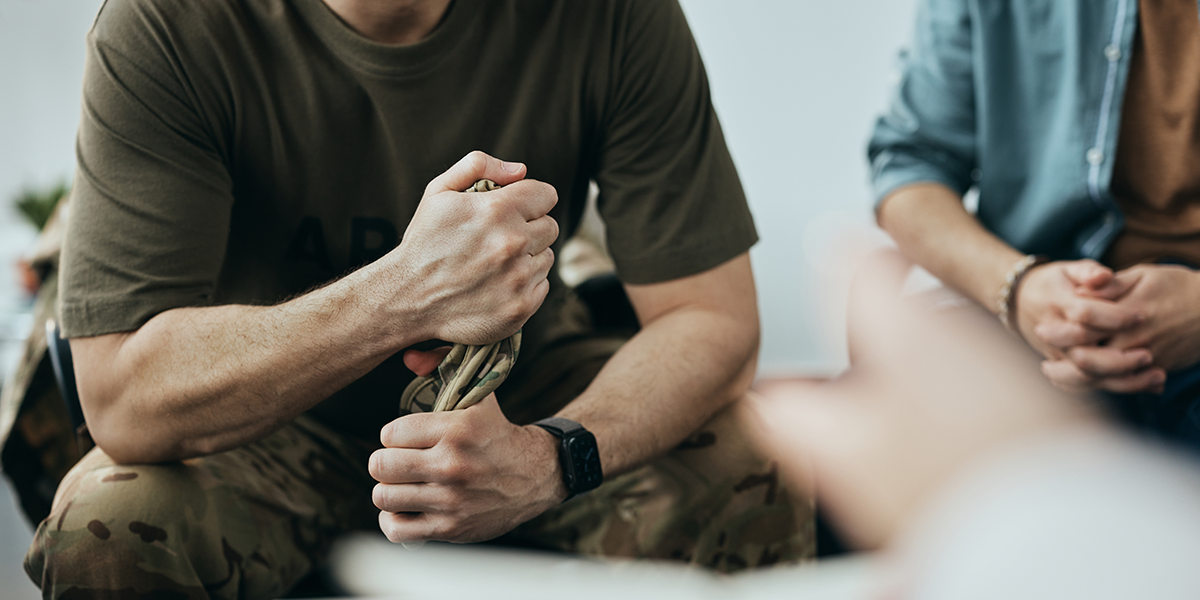
Anxiety in warriors often looks like constant vigilance. Scanning for threats. Difficulty relaxing. Racing thoughts that won’t shut off. Physical tension you can’t release.
For many warriors, anxiety develops from years of staying alert. Combat zones. High-stakes operations. Shift work that keeps your nervous system on edge. What kept you alive becomes what makes it hard to live at home.
At Warriors Heart, we treat anxiety as part of our dual diagnosis program. Most warriors managing anxiety also use alcohol or drugs to quiet the mental noise or calm physical symptoms. You’ll work with two clinicians: one for addiction, one for mental health. We address both together because treating one without the other rarely leads to lasting recovery.
Understanding Anxiety in Warriors
Anxiety in military and first responder communities often stems from experiences that requires constant alertness and rapid threat assessment.
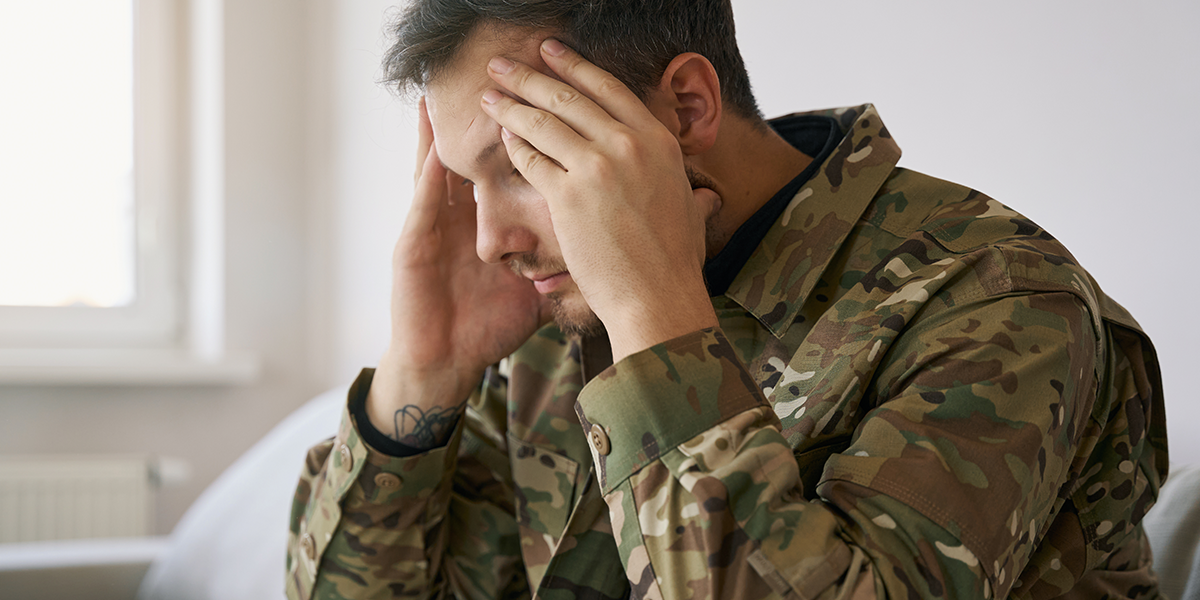
Combat exposure and hypervigilance
Years of needing to stay alert to survive can make it difficult to turn off that response.
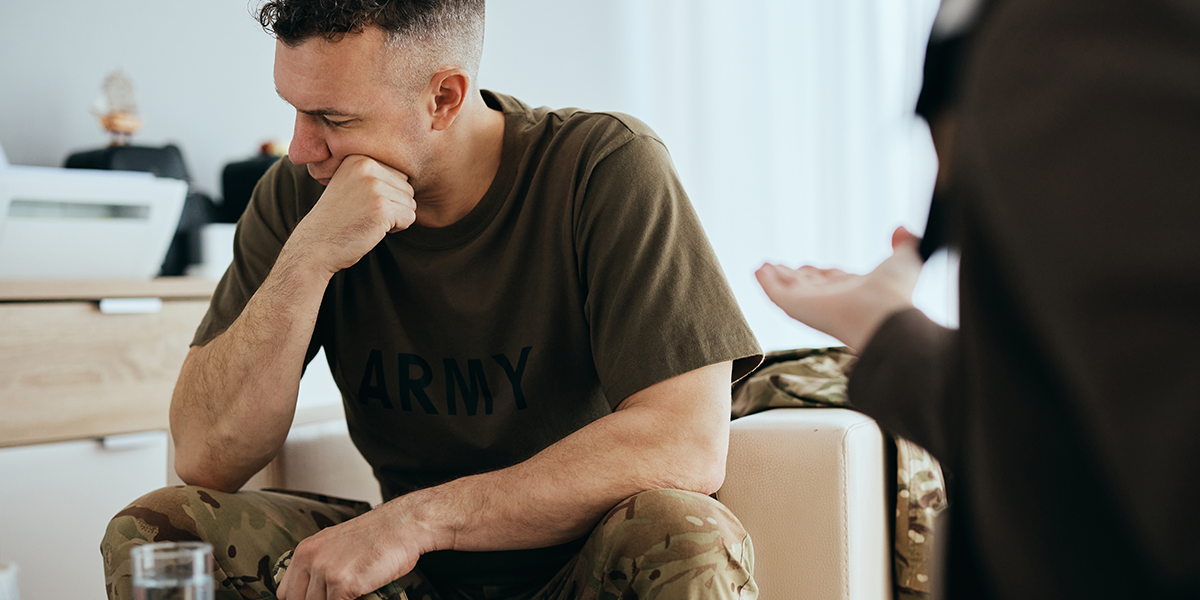
Repeated exposure to trauma
First responders witnessing violence, death, or suffering over years of service.
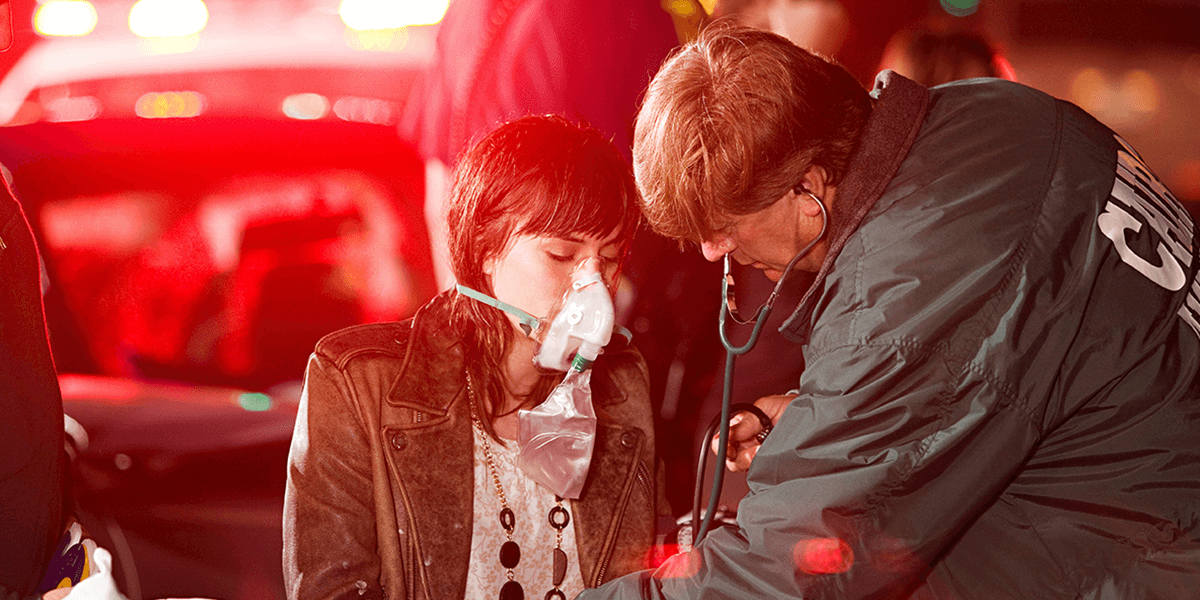
High-stakes decision-making
Responsibility for lives and missions creates pressure that doesn’t always release after leaving service.
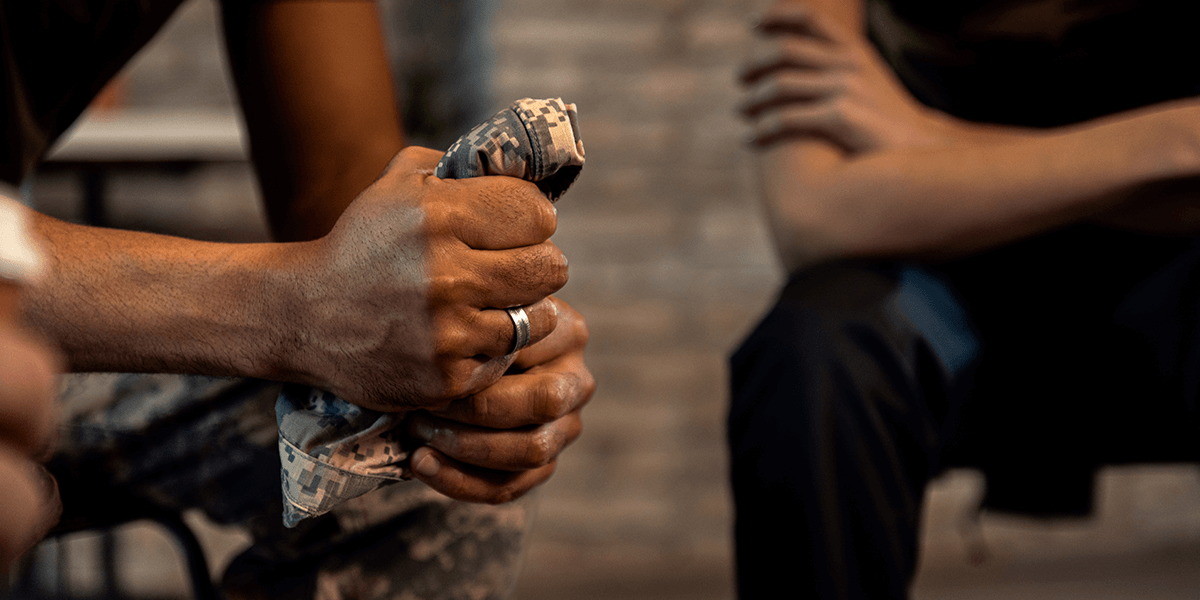
Moral injury and guilt
Decisions made under impossible circumstances that continue to replay.
Loss and survivor’s guilt
Anxiety about losing more people or feeling responsible for those who didn’t make it home.

Transition struggles
Leaving the structure and mission of service without clear purpose or direction.
In warrior populations, anxiety often shows up as:
- Constant scanning or checking your surroundings even in safe environments
- Difficulty relaxing or feeling at ease
- Racing thoughts or inability to quiet your mind
- Irritability or being on edge
- Physical tension, muscle tightness, or jaw clenching
- Sleep problems due to hypervigilance or racing thoughts
- Avoidance of crowds, loud noises, or situations that feel overwhelming
- Panic attacks or sudden intense fear without clear cause
- Difficulty concentrating due to constant mental noise
- Overreacting to small stressors or perceived threats
If several of these feel familiar, you’re not alone. Anxiety is treatable, and treatment designed for warriors makes a difference.


Dual Diagnosis Treatment: Two Clinicians, One Mission
Warriors Heart treats depression as part of our dual diagnosis program. This means you receive care from two specialized clinicians working together:
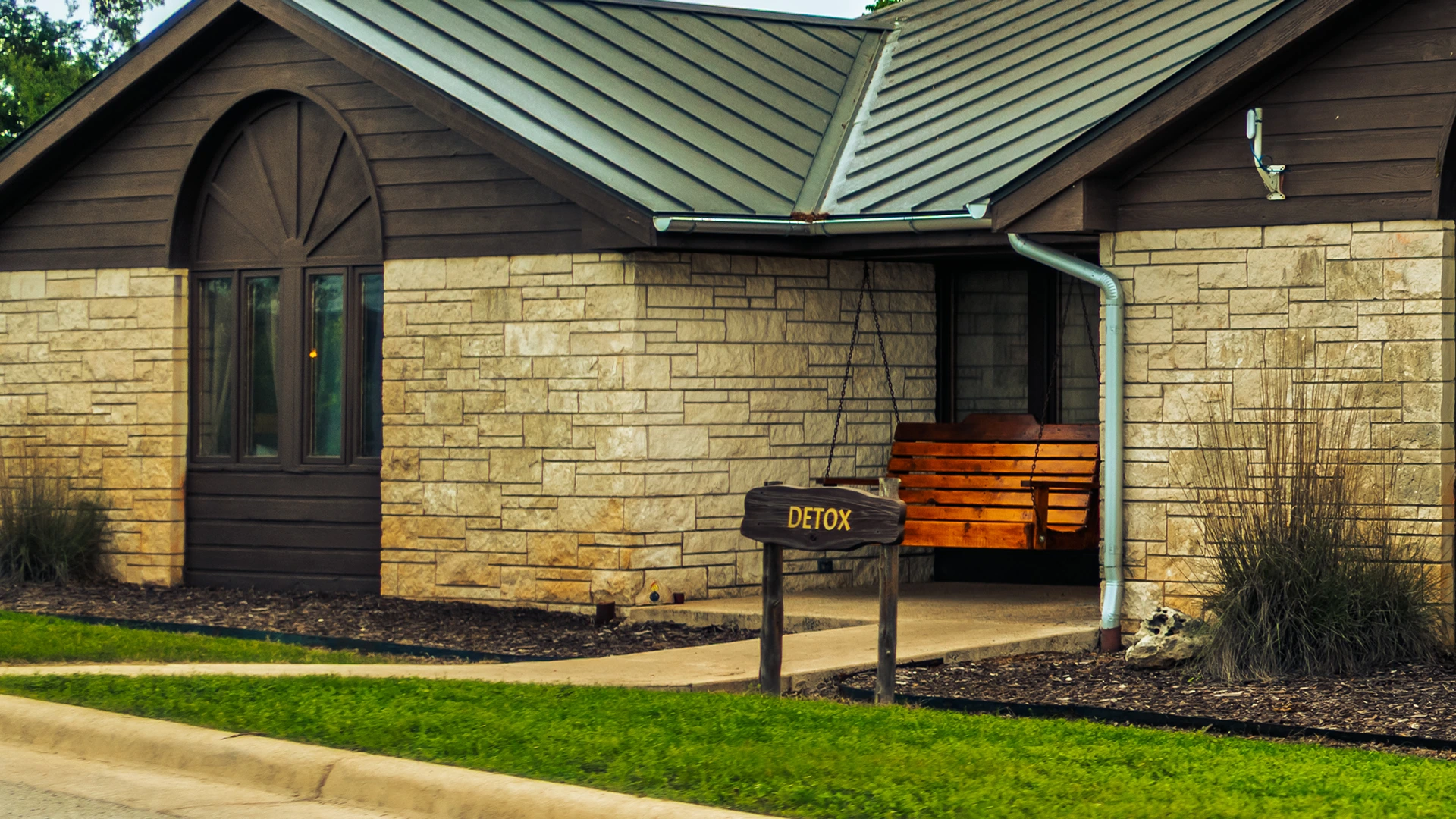
Addiction Clinician (LCDC)
Focuses on substance use treatment, addressing dependency, triggers, and building recovery tools.
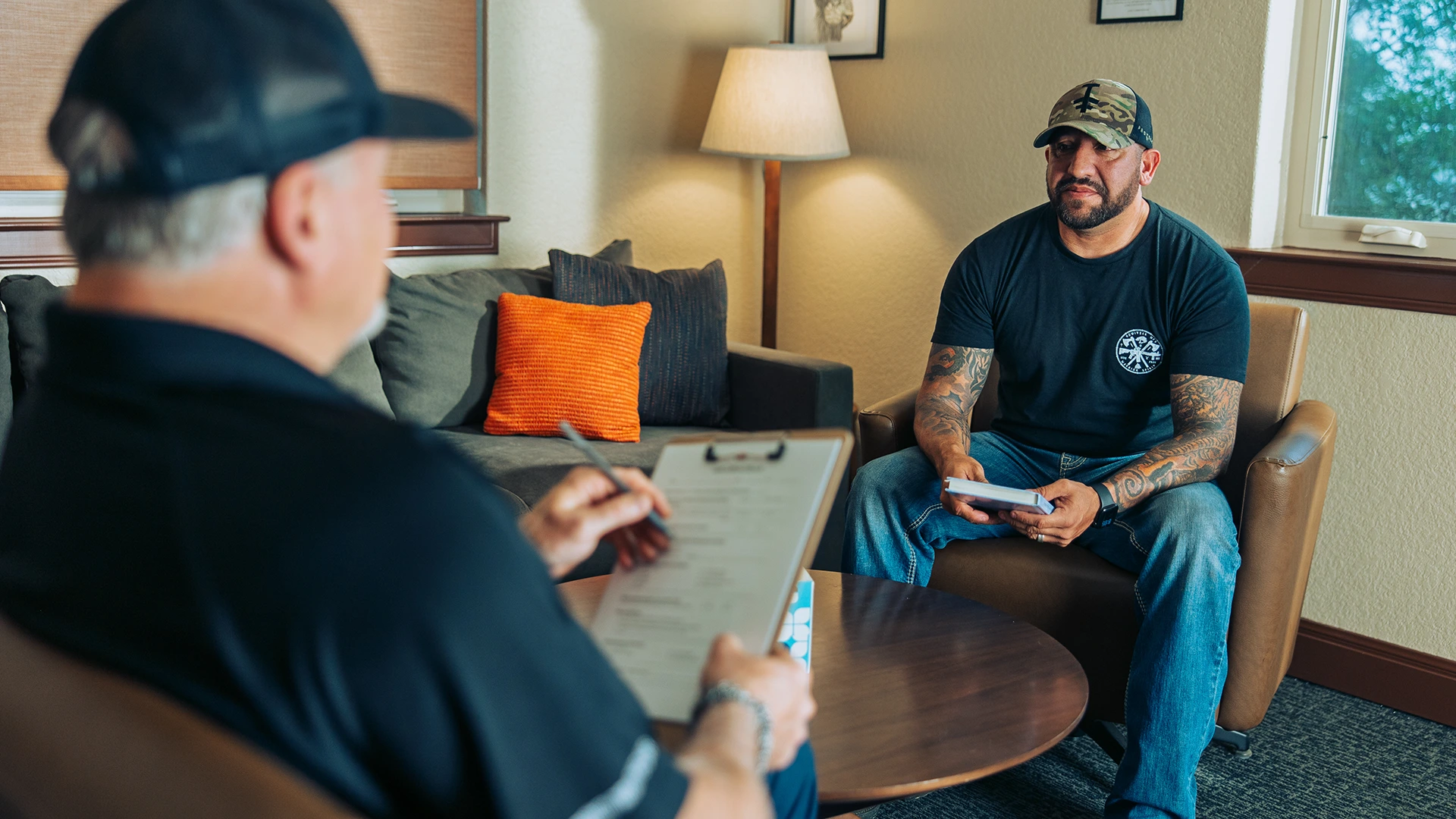
Mental Health Clinician
Addresses depression, trauma, anxiety, and other psychological conditions driving or worsening substance use.
Both clinicians collaborate on your care plan, ensuring treatment addresses the root causes, not just the symptoms. This integrated approach is what makes dual diagnosis treatment effective.
How Warriors Heart Treats Anxiety
Treatment for anxiety at Warriors Heart is part of our comprehensive dual diagnosis program, combining evidence-based therapy, peer support, and experiential modalities.
Our dual diagnosis approach includes:
- Individual therapy with clinicians who understand military and first responder culture
- Group therapy with peers who share similar experiences and challenges
- Trauma-informed care for PTSD, moral injury, or unresolved experiences contributing to anxiety
- Evidence-based therapies including CBT (Cognitive Behavioral Therapy), EMDR (Eye Movement Desensitization and Reprocessing), and ART (Accelerated Resolution Therapy)
- Experiential therapies like equine therapy, K9 service dog training, art therapy, nature hikes, and wood/metal shop work
- Physical wellness programming including fitness, yoga, and outdoor activities that help regulate the nervous system
- Peer accountability and support from warriors who understand what you’re going through
Treatment is structured, intentional, and built around what warriors need to rebuild stability and calm.
What our Treatment program Looks Like
Recovery from substance use and anxiety requires time, structure, and peer support.
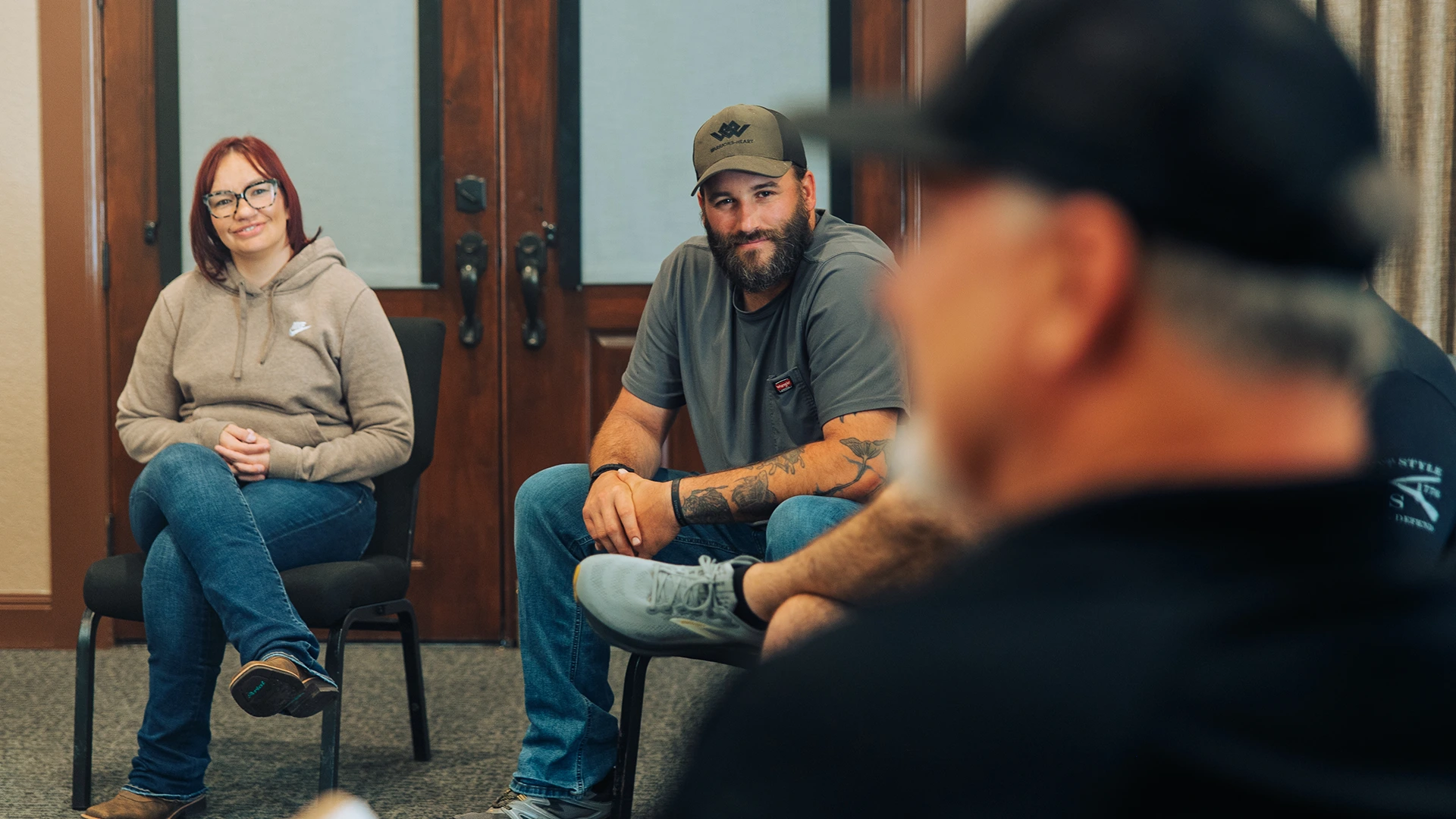
42-Day Residential Program
Intensive treatment in a warrior-exclusive environment. Daily individual and group therapy, trauma processing, experiential therapies, and peer connection designed to address substance use and co-occurring depression together.
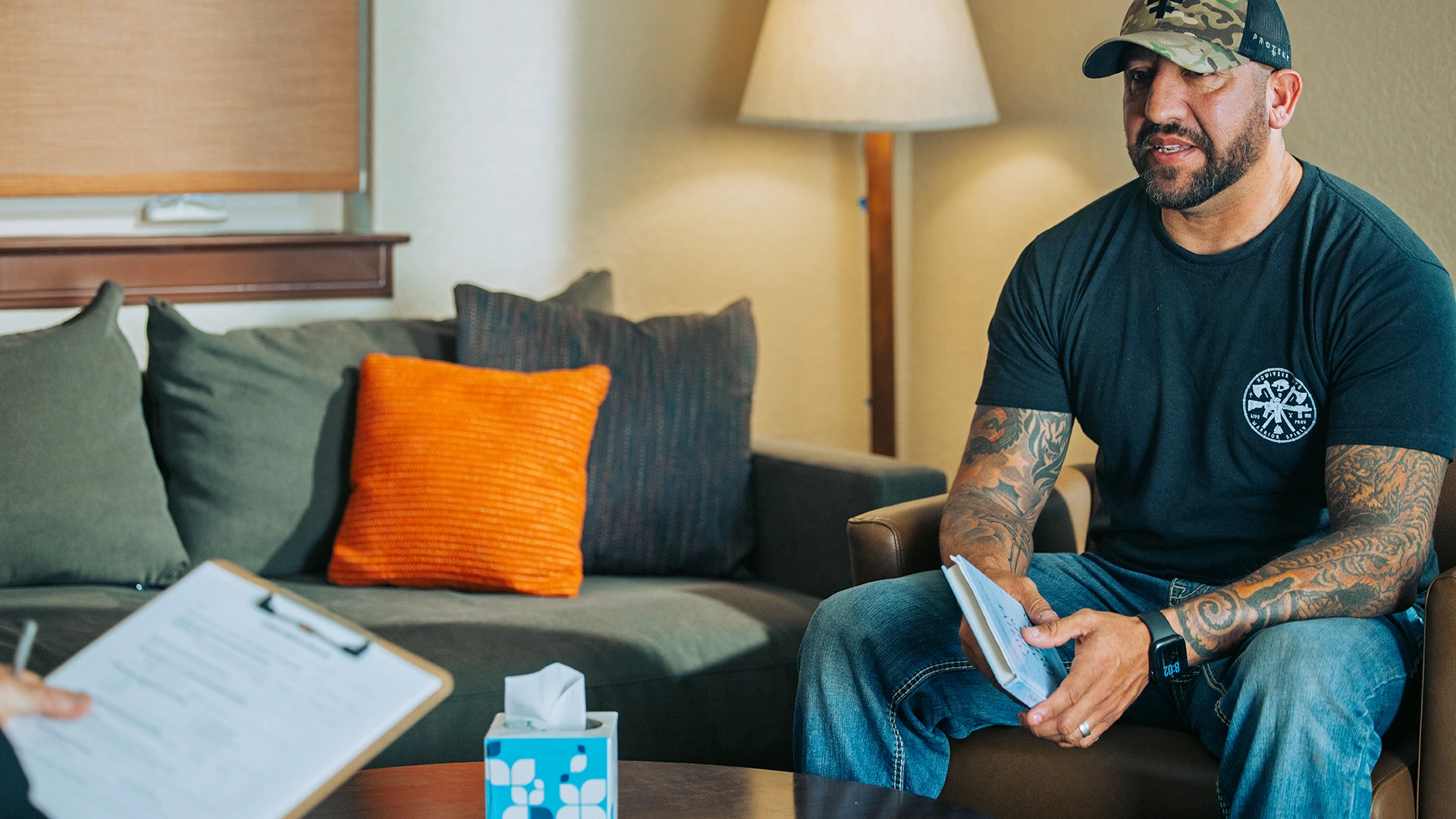
Integrated Dual Diagnosis Care
Treatment addresses substance use as the primary focus while simultaneously treating depression, PTSD, and other mental health conditions contributing to addiction.
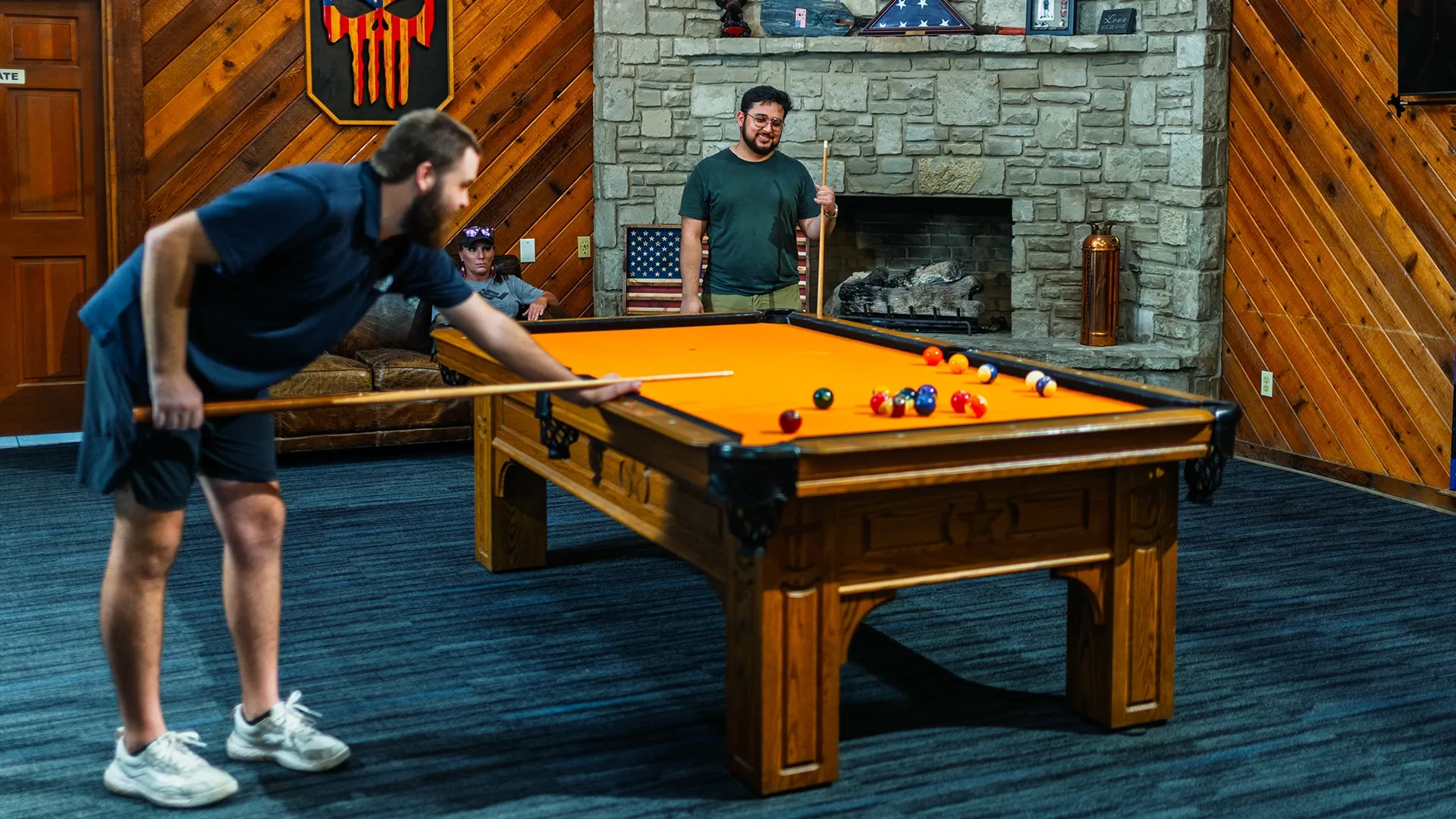
Continuing Care
Warriors Heart offers multiple levels of care to support ongoing recovery:
- Partial Hospitalization Program (PHP) for warriors transitioning from residential treatment or as a standalone option for warriors who need outpatient support, even without substance use disorder
- Sober Living at the Lodge for warriors who need additional time in a recovery environment
- Mission My Life continuing care plan developed before leaving treatment
- Warriors Anonymous peer support meetings
- Alumni Program for lifelong connection and accountability
Recovery means building tools and support that help you navigate hard days.
We Accept Most Insurance & VA Benefits
Warriors Heart works directly with veterans, active duty service members, and first responders to help navigate coverage options.
- Aetna
- Beacon health solutions
- BlueCross BlueShield
- Cigna
- GEHA
- Humana
- Optum
- TRICARE
- TRICARE for Life
- TriWest
- UMR
- United Healthcare
- VA Community Care
We also work with the Texas Veterans Commission and accept private pay.
Note: We currently do not accept Medicaid or any Medicaid-related insurance plans.
Our admissions team understands the VA process and can help you determine eligibility and next steps.
Ready to Take the Next Step?
You’ve handled pressure, responsibility, and situations most people never face.
Asking for help doesn’t take that away. It protects it.
If drugs have started to take more than they give, you don’t have to figure this out alone. Support is available right now, and the conversation is confidential.

