


What EMS Sees That No One Talks About | From Addiction to Recovery
Summary
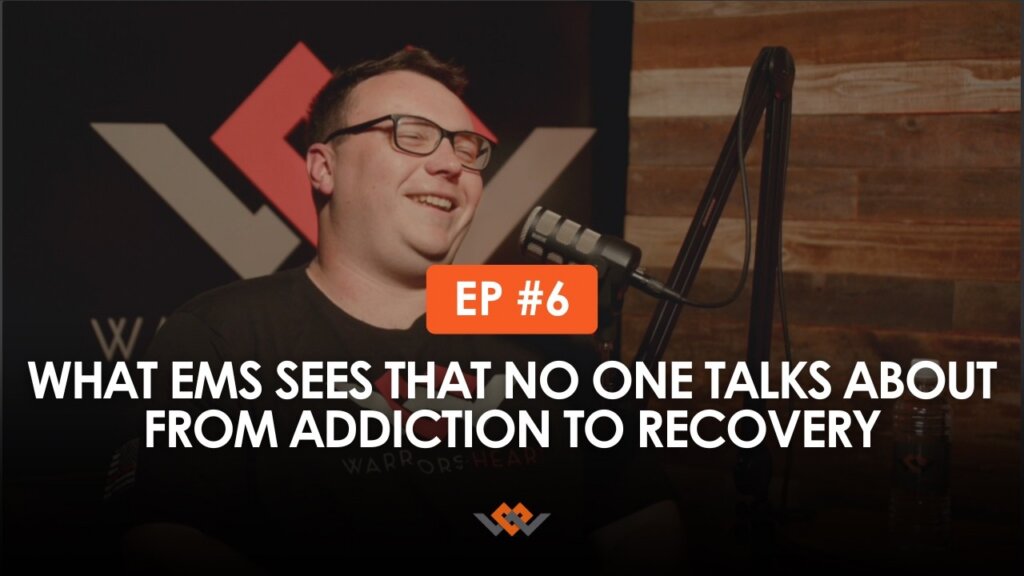
RJ, a former EMT with the New York City Fire Department, tells host Robert Greer what the calls did to him, how a job injury and buried trauma fueled years of drinking and cocaine use, and why repeated treatment didn’t stick until he surrendered completely. Today he’s in college, sponsoring other men and closer to his parents than ever. RJ’s episode is a raw account of EMS paramedic addiction recovery after years of buried calls and relapse.
Key Takeaways
- RJ started on the EMS side of the FDNY during COVID and faced death and trauma at 20 or 21.
- A back injury and time at home brought buried memories back as nightmares and night sweats.
- Shame kept him from sharing the worst of what he’d seen, and he went to rehab eight times.
- His turning point was “burning the ships”: resigning, moving and doing everything asked of him.
- Today he’s studying to be a radiology tech and goes to meetings almost every day.
How did RJ end up working EMS for the FDNY?
RJ grew up on Long Island, on the water, playing hockey and fishing every chance he got. His father spent 26 years with the FDNY, including 9/11, and RJ basically grew up in a firehouse. His dad pushed him to take every civil service test he could at 17 and a half. RJ got called for both the NYPD and the FDNY, and he chose the fire department to follow in his father’s footsteps. His dream was to someday work in the department’s marine division.
He came on through the EMS side during COVID. His very first shift was supposed to be 12 hours and turned into 20. As the new guy, he was called in constantly, and the calls were relentless. He was about 20 or 21, from a good neighborhood, and suddenly facing death, car and motorcycle wrecks and children in terrible situations.
He still remembers turning to his partner after one horrific call and saying he couldn’t believe there was a God. After that, he says, he got angrier. When he got home, the first thing he did was crack a beer. Drinking was already part of the culture he grew up around, and he admits he was headed toward alcoholism before the job. EMS just ramped it up fast.
How did the job lead to RJ’s addiction?
A couple of years in, RJ hurt his back on the job and was later hit by a car on the way home from physical therapy. A department doctor told him he might have to be retired. At that point, he says, he gave up on everything. Sitting at home with time to think, the memories he had pushed away started coming back in nightmares and night sweats.
He fell in with the wrong crowd. Days blurred together with heavy drinking, cocaine, partying and almost no sleep. Then the fun disappeared and severe depression took over. RJ is open about how close he came to ending his life during this time, and about how little he felt.
What followed was years of going in and out of treatment. Some programs weren’t a fit. One therapist told him outright that she couldn’t help him and that he needed a program built for first responders. He came to Warriors Heart more than once. Each time, he’d go back to New York, back to work, stop going to meetings and fall hard again. “My best intentions got me into rehab eight times,” he says.
Shame kept him sick. He held back the worst of what he’d seen and done, even when others in the group were opening up. He also told himself he had no right to struggle, because he hadn’t spent decades on the job like his dad. Robert, a retired law enforcement officer, tells him he used to think the same way, that he was “just a cop.” Around veterans and other first responders, both men heard the same thing: there’s no way I could have handled what you did.
What finally changed for RJ?
RJ’s turning point came early one morning back home, drunk and high after being up for days. For the first time in years, he started crying uncontrollably. He had a full conversation with God, alone in his room. He promised that if Warriors Heart would take him, he’d move to Texas, leave the fire department, and stop worrying about what anyone thought. Robert calls it burning the ships.
With help from people at the department who cared about him, RJ resigned on his own terms right before Christmas and came back to Warriors Heart. This time he did everything that was asked of him, even while kicking and screaming. He showed up for every session, asked for more time, and practiced a simple rule: sit in your chair and stay.
He talks about letting go of every idea he had about AA and about life, and letting himself be remolded. His sponsor taught him that you work to live, not the other way around, and RJ came to understand that the patch on his shoulder isn’t who he is. He goes to meetings almost every day, has started temporarily sponsoring other men, and finds himself handling situations that used to baffle him. When he went home for Christmas, his mom noticed he didn’t blow up once.
What is RJ’s life like in recovery?
Today RJ is in college and earning straight A’s, studying to be a radiology tech so he can keep helping people from the medical side. He’s rebuilt his relationship with his parents, who now call every day, and he says they’re closer than ever even though he lives far away. He talks about simple things he can enjoy again, like a good night’s sleep, a dream about tuna fishing, and New York Islanders hockey.
He never expected any of it. “I thought the only way I was going to stop drinking is if I was six feet in the ground.” Now he lives by a simple order: the things he has to do for his recovery come first, then school, then the things he wants to do. He says he actually has more fun that way.
RJ is honest that recovery is work. “It’s the hardest thing I’ve ever done, to be honest with you,” he says, and he also calls it the best thing in his life.
In Their Words
- “My best intentions got me into rehab eight times.” (RJ)
- “You got to surrender to win.” (Robert)
- “It’s the hardest thing I’ve ever done, to be honest with you.” (RJ)
FAQ
Why do EMTs struggle with what they see on the job?
RJ says EMS crews see something most people never will on every shift, then move to the next call. Drinking was part of the culture, and the job ramped it up fast for him.
Do first responders need treatment built for them?
One therapist told RJ outright that she couldn’t help him and that he needed a program built for first responders.
What does “burning the ships” mean in recovery?
For RJ, it meant resigning on his own terms, moving to be near Warriors Heart and committing fully, with no way back to the old life.
About the Guest and Host
RJ is a former FDNY EMT, a Warriors Heart alumnus and a college student studying to become a radiology tech. This conversation also highlights EMS paramedic addiction recovery for warriors who need to hear it.
Robert Greer is a retired law enforcement officer, a Warriors Heart alumnus, Director of Business Development for Warriors Heart in Texas and the host of the Warriors Heart Podcast.
Hear the full conversation on YouTube | Apple Podcasts
If you or someone you love is an active-duty military member, veteran or first responder struggling with addiction and the invisible wounds of service like PTSD, moral injury and grief, Warriors Heart is here. Call 855-610-1003 to speak to one of our admissions advocates who can help.
Start Recovery Now
Whether you’re seeking help for alcohol or drug dependence, trauma symptoms, or both, confidential 24/7 support is here.
Relevant categories
TREATMENT
COMPANY
SUPPORT
756 Purple Sage Road
Bandera, Texas 78003
20500 Warriors Way
Milford, VA 22514
© Warriors Heart 2026. All rights reserved.